

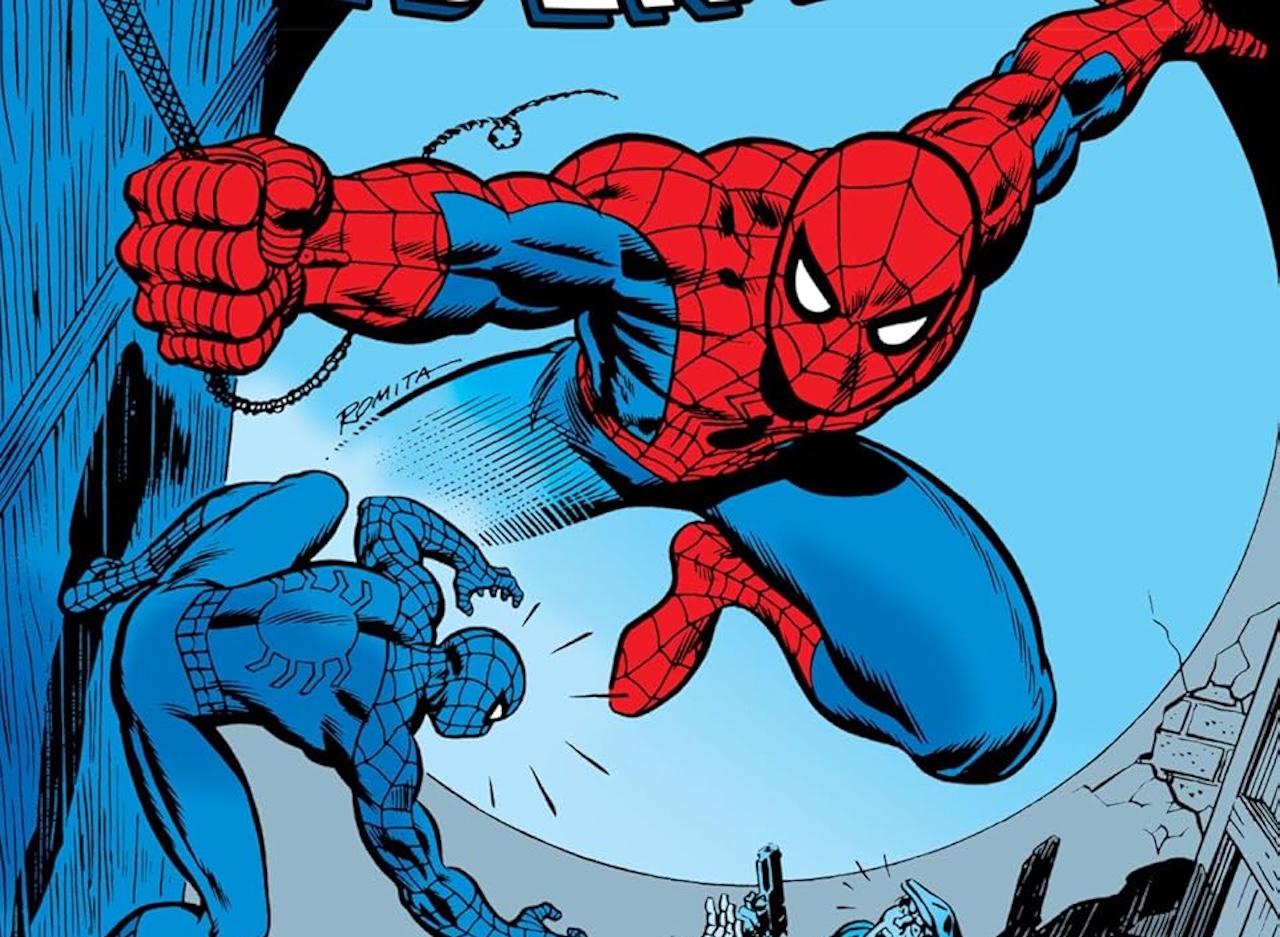

There’s a long-discussed edict, passed down from Stan Lee during the 1960s or 1970s, that Marvel Comics should feature an “illusion of change”. That is to say, though stories could move and shake, in the end, all things would revert to a largely unaltered state. There was a status quo for characters, and it was best for infrequent readers, cartoon fans, and the brand in general to maintain that status quo.
Perhaps no comic suffered under this edict more than Amazing Spider-Man. Where Avengers and Fantastic Four could have lineup changes and had several characters to play around with, Peter Parker was largely alone in his superheroic melodrama. Even his 1970s supporting cast are more often conditions of his narrative than they are moving, thinking characters. Does Peter have a girlfriend? If yes, which one? Is Aunt May in good health? If yes, then not for long.

Marvel
As the issues collected in Amazing Spider-Man Epic Collection: Nine Lives Has the Black Cat illustrate, even his rogues are symptoms of the illusion of change rather than change agents. Both Mysterio and Kingpin return from the grave; Doctor Octopus shows up and is left off presumed dead. Even the burglar who killed Uncle Ben returns, carries out a hair-brained scheme, and dies. Death means nothing; it is too big of a change.

Marvel
Peter is told, in Amazing Spider-Man #196, that Aunt May has died; he discovers four issues later that she’s alive an well – ’twas Mysterio who faked the death.
The book’s milestone – the introduction of Black Cat – also ends in a red herring death: during a chase, the Cat suffers that most certain of deaths: she falls into a body of water. By the volume’s end, she’s back to pulling vaguely-themed heists and obsessing over Spider-Man.

Definitely dead.
Marvel
The illusion of change is most noticeable in this era’s Epic Collections by the nature of the collections: this volume contains nearly two years of comics which, when read straight through, feel claustrophobic in their rigidity. Taken month by month, in the flow of the book’s original release, that rigidity would have retained a bit of its sleight-of-hand magic. Extended over decades, the sudden return and falsely gruesome end of a classic villain felt operatic, powerful, and rife with danger.

Marvel
Other Epic Collections suffer similar symptoms as Amazing Spider-Man, but the redundancy of the formula is rarely so apparent. Even under the skilled hands of writer Marv Wolfman and master artists like Keith Pollard, John Byrne, and Sal Buscema, Peter Parker’s world is uniquely formulaic. Perhaps this is due to his decades-long role as the company’s central figure, the tentpole upon which not only comic sales but also adapted media and merchandise depended.
Nine Lives Has the Black Cat doesn’t feature the end of the formula, or of the illusion of change, but it does mark the end of the 1970s; one of its final issues features David Michelinie’s writing, some seven years before Kraven’s Last Hunt helped overturn the end of comic book complacency. The 1980s, with all their grit and reinvention, are knocking at the back door of this collection; never has better evidence been compiled as to why they should be allowed in.




You must be logged in to post a comment.