


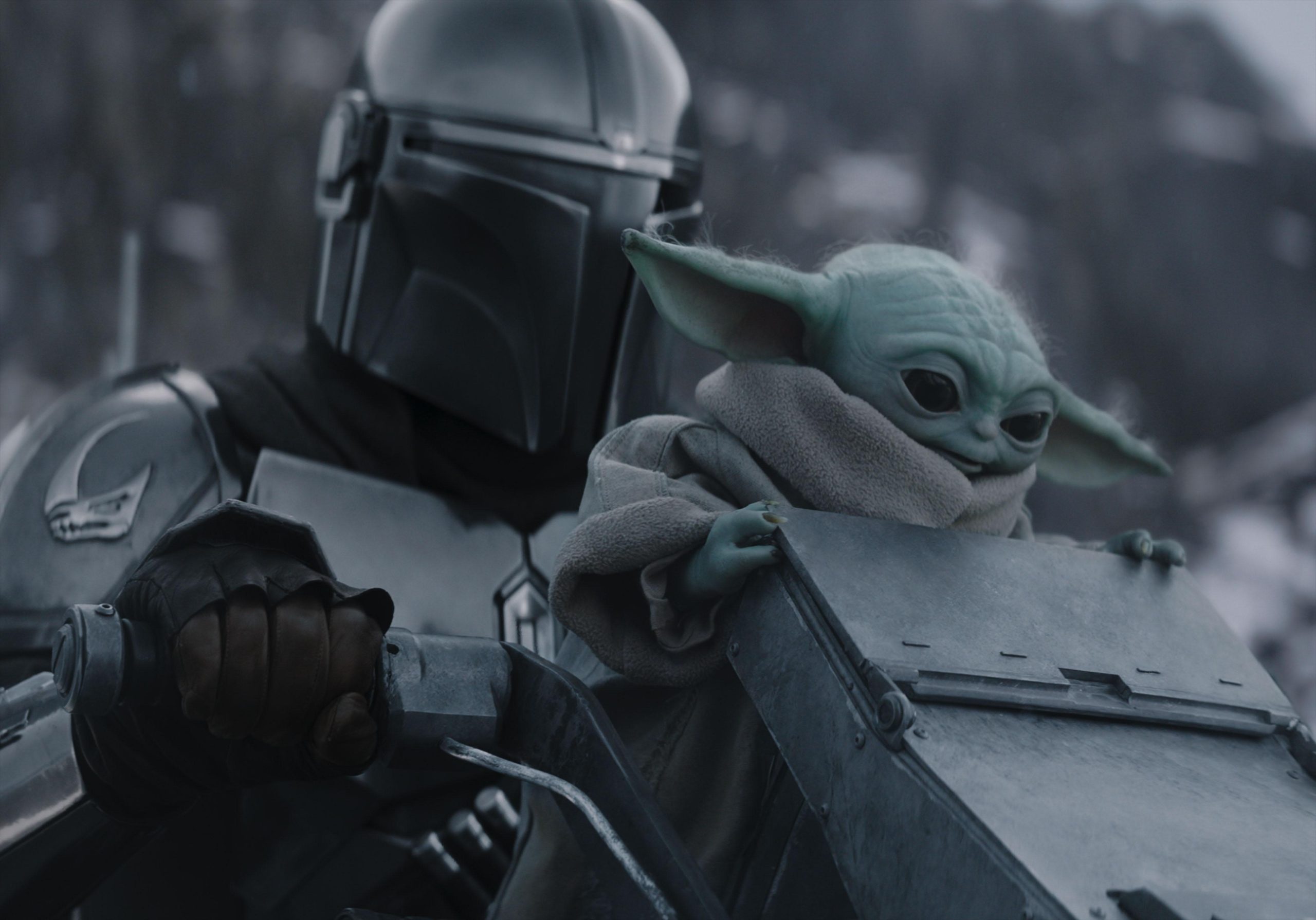

It has been seven years since Star Wars was on the silver screen, and from there, the franchise has been in TV mode that you can watch on Disney+. Spawning various shows with varying degrees of success and acclaim, Star Wars had its live-action television debut with The Mandalorian in 2019, a Lone Wolf and Cub-inspired series about a lone bounty hunter who protects a Force-sensitive child, Grogu, from remnant Imperial forces.

Running for three seasons, the show may have been an entertaining watch, proving that this cinematic galaxy could work on the small screen. It was the remixing classic elements from the franchise that felt safe and familiar so that it would not upset a certain section of the fandom. And that approach has not only been applied to the subsequent shows like The Book of Boba Fett and Ahsoka – even expanding on the lore that was established in the animated shows – but also the cinematic continuation that is The Mandalorian and Grogu.
Directed by the show’s creator Jon Favreau, who co-wrote the script with Dave Filoni and Noah Kloor, The Mandalorian and Grogu may have taken a step-back on the Mandalorian lore that plagued the show but basically functions as an extended episode, in which Din Djarin (Pedro Pascal) and Grogu are enlisted by Ward (Sigourney Weaver) of the New Republic to rescue Rotta the Hutt (Jeremy Allen White) in exchange for information on a target.
Although George Lucas always intended his creation to be accessible for everyone while opening the door for other creators to put their own stamp on this galaxy that could go anywhere when it comes to new worlds, creatures and technologies, in recent years Star Wars has felt like homework with numerous media trying to tie everything together that will only make sense to those who have watched everything. While The Mandalorian and Grogu feels very standalone with a story it sets out to tell, there are still elements from the shows that will go over the casual viewer’s head, such as a recurring appearance from a Rebels main character.
While Favreau is no stranger to cinema as he is one of the architects who launched with the Marvel Cinematic Universe with 2008’s Iron Man, it is surprising that he can’t quite escape the episodic nature of the popular show he created as the story lacks a clear throughline with characters just going through one set-piece to the next, even if the action features well-done gladiatorial matches that clearly owe a debt to the stop-motion works of Ray Harryhausen. However, another major factor from the show who leaves a big impression is composer Ludwig Göransson who not only expands familiar themes, but also brings a new musical language to Star Wars that feels different from John Williams.
If there is any emotional engagement to be had is towards the titular duo, which again is based on your own investment with the show. There isn’t much screen time that showcase Pedro Pascal’s face, but he balances the cold-hearted persona of a bounty hunter as well as the warmth he has towards his co-star, though this is not to discredit his on-set doubles Brendan Wayne and Lateef Crowder who make Mando such a bad-ass. No doubt the film’s biggest selling point is Grogu AKA Baby Yoda who became a mascot for Disney to merchandise over, which may sound cynical and yet the funniest and even touching scenes are Grogu operating on his own with the occasional assistance from the four Anzellans, the tiny race that became very popular after Babu Frik’s debut in The Rise of Skywalker.




