

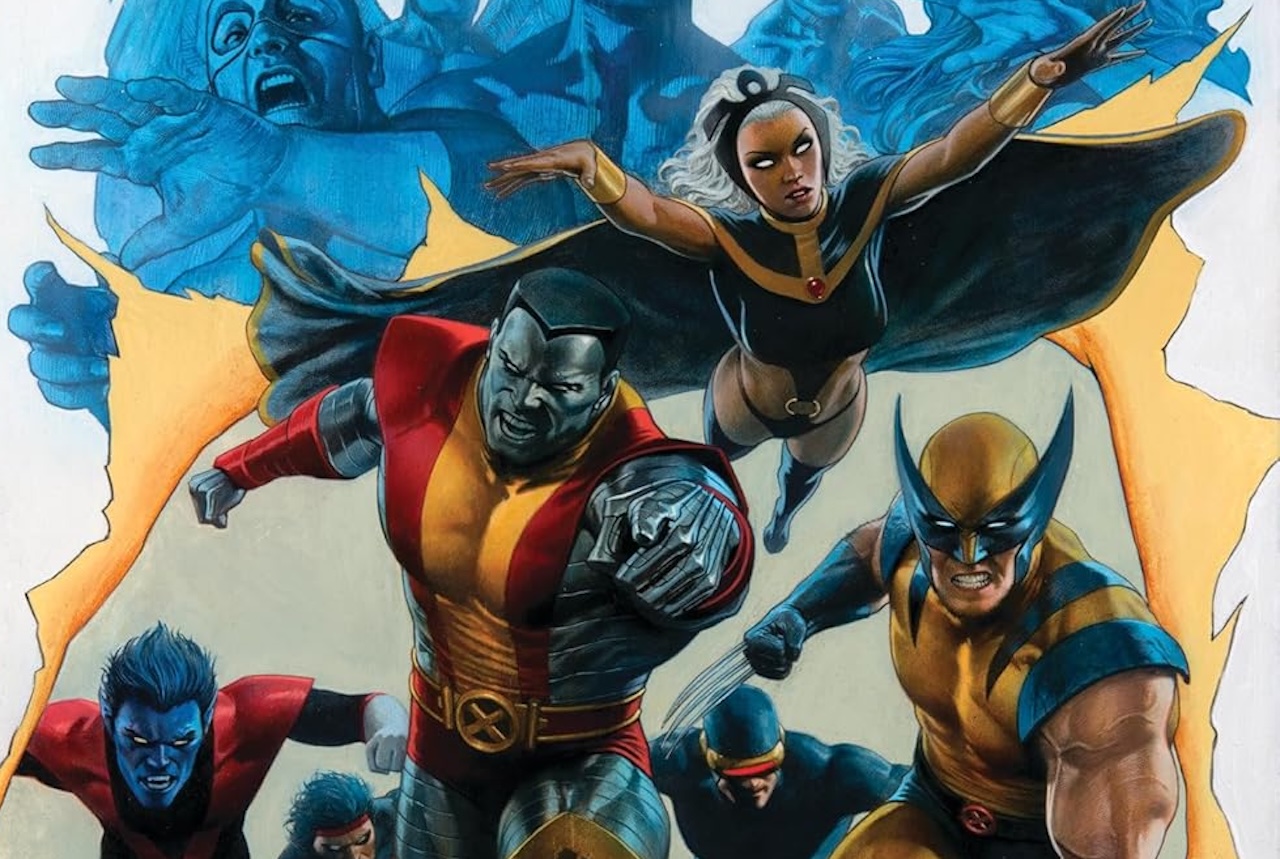

Giant-Size X-Men is one of the most treasured comics of all time, up there with Action Comics #1 and Amazing Fantasy #15 in terms of impact on the superhero genre; it’s arguably more important than Stan Lee and Jack Kirby’s X-Men #1, in that it redefined an idea and blew the whole thing wide open.

Marvel
It isn’t the X-Men story that would go on to define the series – that work would be done by Chris Claremont and a bevy of the best artists in comics (including Dave Cockrum) over the next 16 years – but it unarguably set the stage for what would become one of the most defining books of the medium.

Marvel
It isn’t any wonder that 30-odd artists would jump at the chance to pay tribute to Giant-Size X-Men #1 for its 45th anniversary. That the tribute took the form of recreating the comic itself – what then-X-Men editor Jordan White relates to a cover song version of the book in an interview collected here – is a groundbreaking, unique take. There is no better form of flattery and all that.
The version of Giant-Size that was created (originally released in 2020) is by no means the ideal way to read the comic; something about the manic nature of swapping between artists from page to page creates a sort of sequential art seasickness. Luckily, this edition does us the favor of reprinting the original 1975 issue alongside the tribute, making it easier to flip between the two versions of the book, allowing new readers to experience the hard work of two industry legends.
Taken as an art object, it’s a stunning showcase of talent and content. With both issues printed back to back, the pleasure of flipping back and forth for comparison is readily provided. This is a showcase not only of the new artwork but of the classic, medium-changing issue.

Marvel
Some artwork recreates the original Cockrum layouts, simply supplanting a modern aesthetic of expression and color. Aaron Kuder’s recreation of page 9 – the introduction of Colossus to the Marvel canon – skews as closely to the original as it can without sacrificing Kuder’s trademark style.

Marvel
Other artists take the spirit of the page and reimagine it, embracing Len Wein’s script over fidelity to Cockrum’s page; Javier Rodríguez takes the second page of chapter IV – originally six staggered panels illustrating the all-new X-Men’s battle with Krakoa – and reduces it to a stunning pop-art splash page.
The book also provides an abundance of behind-the-scenes insight, breaking the tribute issue down page by page and allowing each artist a bit of commentary about the work they put forward. Also included are interviews with Cockrum and Wein’s spouses and the aforementioned interview with Jordan White and fellow editor Annalise Bissa.
To balance out all that new-school content, the book thankfully reproduces some insight-providing esoterica from the 1970s, including a bevy of Cockrum’s discarded character designs, indepartmental memos, and raw inked pages.
Altogether, the Giant-Size X-Men: Tribute to Wein & Cockrum is as complete a collection of the experiment as possible. Barring excessive, academic essays or now-impossible interviews with the late creators, there may be no better collection of insight into one of the most important comics of all time.




You must be logged in to post a comment.