

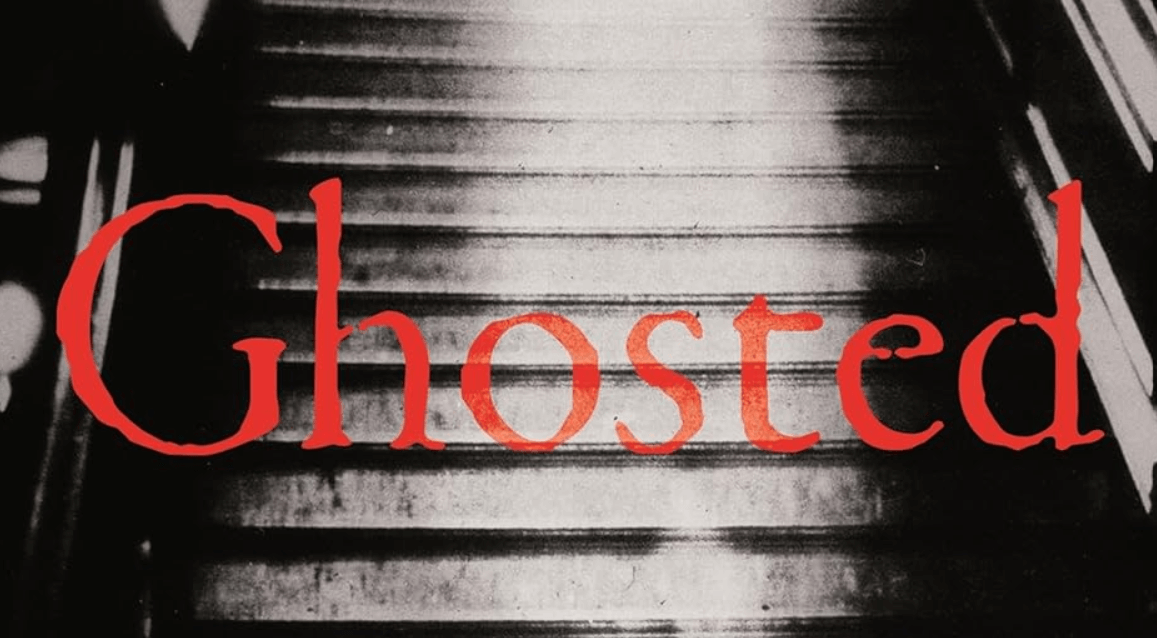

The concept of ghosts, a part of us that exists after death, has always been with us. In her book Ghosted: A History of Ghost Hunting, and Why We Keep Looking, author Alice Vernon explains a bit of the history of ghost hunting in the modern era. She does so with curiosity, but with a skeptical mindset. Vernon is from the UK, and most of her stories are based in Europe, with some US-based stories sprinkled in. (The image on the book’s cover is a famous “ghost photo” of the Brown Lady of Raynham Hall in Norfolk, England.)
In the introduction, Vernon makes her stance clear: “I don’t believe in ghosts, but I want to.”
Ghosted‘s history starts with the spiritualism movement of the 19th century, which was kicked off with “successful” séances performed by the Fox twins, two young women from New York state. The séance experience gained in popularity in the English-speaking world, and for the Fox sisters and many others, it was quite lucrative. The spiritualism movement took hold during a time when mass outbreaks of tuberculosis, cholera, and typhoid were common, after the American Civil War had ravaged many families. The idea that one could possibly contact the spirits of loved ones who died young was very motivating.
An early critic of spiritualism, Scottish magician John Henry Anderson made it his mission to expose the Fox sisters and others who used their methods. He claimed that, “Spiritualism gave people false hope, even turned them mad?” Anderson devised his own table that recreated the mysterious “rapping” (knocking in answer to questions posed of the spirit) that was typical in séances, and demonstrated it in his magic shows.

Ironically, Anderson died the same year that Harry Houdini was born. Arguably the most famous magician in history, after the death of his mother, Houdini made subsequent visits to mediums who proved to be false and whose tricks were obvious to him. As Ghosted lays out, this realization is what made Houdini a fervent critic and debunker of those who used magicians’ tricks to take money from the bereaved. In his ongoing campaign, Houdini discovered that many scientists who investigated séances wound up becoming believers. This unfortunate situation convinced Houdini that magicians are uniquely qualified to assess paranormal phenomena.
In Ghosted‘s discussion of “spirit committees,” we’re introduced to the first ghost hunting group, called “The Ghost Society.” Formed in 1851, by the 1860s it was simply an exclusive social club in which the members would tell each other ghost stories. They were probably quite good, considering that W. B. Yeats and Sir Arthur Conan Doyle were members.
In 1881, the most enduring ghost club was formed. The Society for Psychical Research (SPR, which continues today) was created to seriously investigate paranormal claims. The SPR followed up its research with scholarly articles. One of the society’s charter members, Eleanor Sidgwick, leaned on her scientific training as a physicist in investigations. Unlike other scientists, she wasn’t swayed by the tricks of her test subjects. Sidgwick felt that “some people quite sincerely think things inexplicable which they could do themselves if they tried.”
The SPR was interested in a broad examination of the paranormal, which included location-based hauntings. The locations they investigated were typically private houses, castle ruins, and cemeteries. One of their most famous cases, as Ghosted tells it, was that of Borley Rectory. In 1929, the editor of The Daily Mail invited SPR member Harry Price to investigate “remarkable incidents” that were reported happening at the site. The current residents, who’d been there less than a year, claimed to not have initially known of the 700-year history of reported hauntings at the rectory. During the first night of his investigation, Price and his associate spotted what they thought was one of the expected ghosts, a nun. They also experienced items being launched at them inside the house from an area where no one should have been.
Price continued investigating Borley Rectory and eventually wound up renting the property for some time. Toward the end of his lease, Price enlisted some volunteers to do independent investigations. The well of experience and content gained contributed to two books, The Most Haunted House in England and The End of Borley Rectory. Eight years after Price’s death, The Haunting of Borley Rectory, written by two of his rivals and his personal secretary, was released. This book attacked Price’s methods, calling them sloppy, and claimed his books were full of false accounts.

Later chapters of Ghosted describe the history of ghost photography, war ghosts, poltergeists, and haunted objects, before arriving at our current form of ghost hunting, which is based on reality television shows that emphasize gadgets and drama to infer the existence of ghosts. These shows amount to groups of people stumbling around in the dark with equipment they don’t understand and asking, “did you hear that?” No SPR-type of scholarly articles here.
The first of these shows was England’s Most Haunted, the format of which has been copied by the official Ghost Hunters program and many others. As it is with media in general, the content for this brand of entertainment has lost some of its TV audience while it’s metastasized through YouTube. Interestingly, Ghosted relates that the oft-repeated format of these shows had its foundations laid by a show called Ghostwatch, a “War of the Worlds” type of hoax that appeared on the BBC in 1992. The show featured well-known presenters investigating spooky phenomena in a London flat. Odd phenomena started to occur, which snowballed into a frightening climax.
Vernon’s generous assessment in Ghosted: A History of Ghost Hunting, and Why We Keep Looking is, “I no longer think of ghost hunting as a fool’s errand. It’s about negotiating our own fears and hopes about death.” She concludes that, “Ghosts manifest from grief,” and that, “Ghosts are our defense against the general dread and the aftermath of death.”
AIPT Science is co-presented by AIPT and the New York City Skeptics.



You must be logged in to post a comment.