

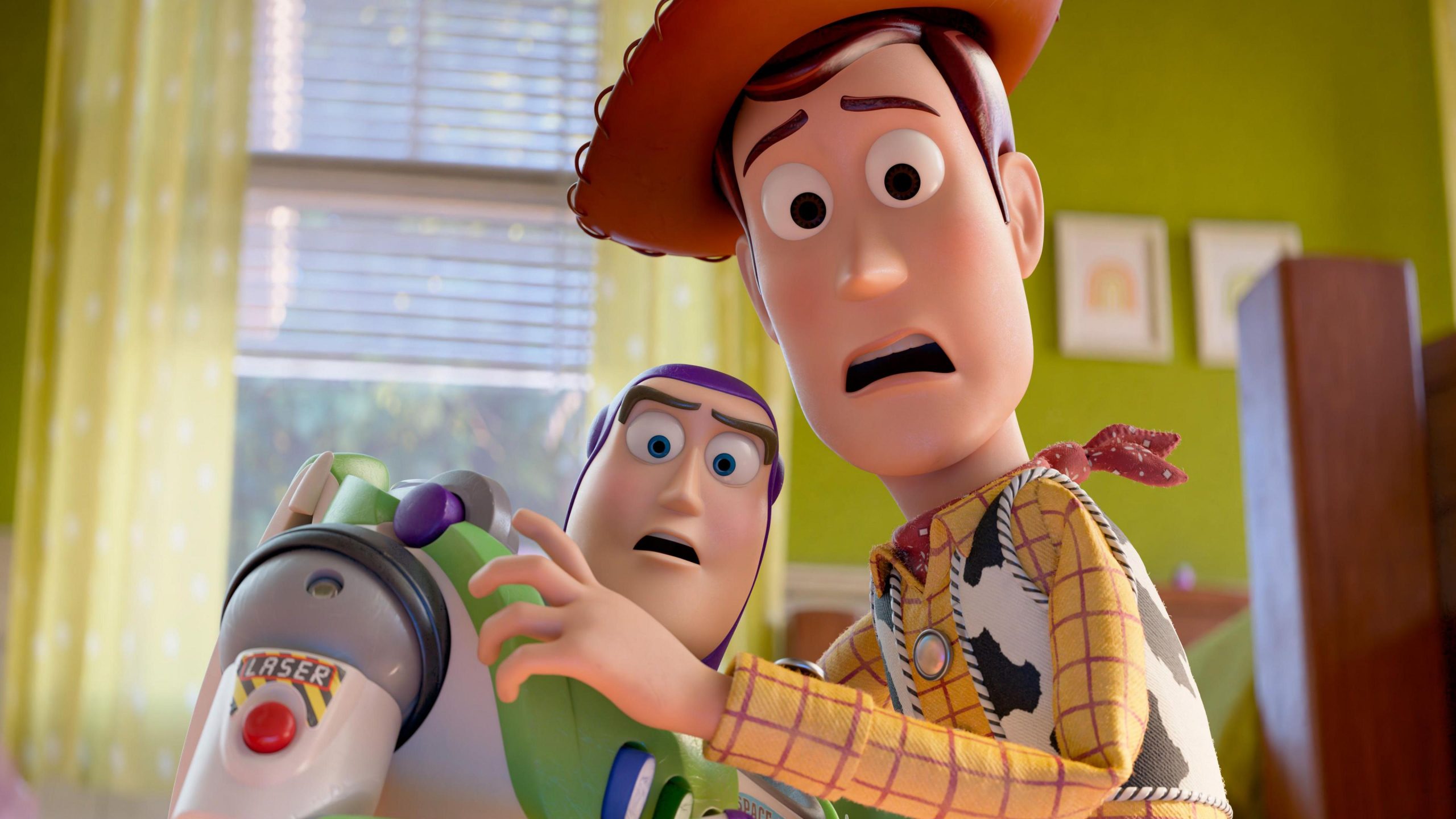

When Toy Story 3 was released in 2010, it felt like the perfect end for the adventures of Woody, Buzz Lightyear and the gang as they were no longer Andy’s toys. However, nine years later we got Toy Story 4, which may not reach the perfection of the initial trilogy, but was a successful installment that remixed a lot of the ideas from the 1995 original, such as the positivity of being a lost toy that Woody ultimately embraces and leaves his old life to start a new one. Pixar may gotten lucky with a fourth installment, surely it’s time to call it quits and let this franchise rests, but as we learned from Disney in recent years, nostalgia is one hell of a drug and we’re gonna consume it, no matter what.
Living happily as Bonnie’s toys, Jessie (Joan Cusack), Buzz (Tim Allen), and the others discover that their owner is having difficulties bonding with other kids. As much as Jessie is determined to correct this error in order to maintain Bonnie’s happiness, Bonnie is gifted with Lilypad (Greta Lee), a tablet that becomes her new favorite plaything, as well as the central antagonist for all the toys, who seek the help of their old sheriff Woody (Tom Hanks).
As someone who has been there since Pixar’s beginnings and was a co-writer on the original Toy Story, director Andrew Stanton has established as one of the studio’s best with classics like Finding Nemo and WALL-E, the latter of which shares an interesting comparison with Pixar’s latest. Given that both WALL-E and Toy Story 5 use advanced computers to create high-quality animation, they are narratives that touch upon humanity’s over-reliance with technology. Whereas Stanton’s 2008 sci-fi magnum opus was more confident in delivering its eco-message, Toy Story 5 is at odds with what it wants with themes that are no doubt socially relevant with our current times with our fears with artificial intelligence and children being plugged into the internet, not doing any other activities.
While this series always featured amazing-written villains throughout, they always felt more like obstacles, but with Greta Lee’s Lilypad being a major focus, it is a confrontation that is very similar to Inside Out 2, even leading to the same outcome. In fact, much like its predecessor, so much of this film is about remixing ideas we have seen from the initial trilogy, such as the ongoing joke of Buzz thinking he’s THE Buzz Lightyear, only this time they are many more of him, who actually get more to do than the Buzz we all know and love. With so many characters thrown at the screen, the classic cast is basically sidelined, including Woody, whose only purpose is to show emotional support and share the banter with Buzz.
Although Woody and Buzz will forever be the central faces of Toy Story, this film puts Jessie on the center stage. Debuting in the second film, despite her brave and excitable persona, she is defined by her tragic backstory, abandoned by her first owner after she outgrew her. Along with her toy horse Bullseye, Jessie’s arc that starts with a hatred towards technology to eventually confronting her past trauma is what brings out the film’s emotional core with Joan Cusack’s vocal performance pulling on the heartstrings.
As impressive as the animation is as one would expect from the studio that gave us the first computer-generated animated picture, Pixar hasn’t been breaking new ground for quite some time and Toy Story 5 is no exception, even with the cutesy interactions between toys and farm animals. There is nothing here that rivals Pixar’s best set-pieces such as Toy Story 3’s heart-breaking incinerator, but Stanton delivers fun and emotional engagement, especially in the film’s final third when all the characters are driving for that positive outcome, which is truly heartwarming.




