


Perhaps no star was more iconic than Marilyn Monroe. Pop artist Andy Warhol’s artwork, like the famous Marilyn Diptych, helped solidify her in our minds. Try to find a single souvenir store, even today, that doesn’t have some kind of Monroe-related kitsch.
When a person reaches such a lofty cultural status, they almost cease being a person, as the hero worship and their cultural impact can lead to the erasure of their identity. The mystique sometimes becomes the person. Elton John’s original version of the song Candle in the Wind purposely refers to Monroe by her birth name, Norma Jean, to drive this point home.

Image Comics
Monroe’s life exemplified Hollywood in the ’50s and ’60s — the drugs, sex, rumors, and scandal. Nearly 20 years prior to her death, the world was rocked by the grisly, still-unsolved Black Dahlia murder, named after a 1946 film. The victim in that case, Elizabeth Short, was an aspiring actress and model.
The “mystery” of Monroe’s death has confounded conspiracy-minded folks for decades. The links between Monroe and President John F. Kennedy Jr., bolstered by her infamous“Happy Birthday, Mr. President” performance for JFK’s 45th birthday celebration, haven’t helped. (A general historical consensus seems to indicate that there might have been a few sexual encounters between Monroe and both John and Robert Kennedy, but there doesn’t seem to be any reputable evidence to suggest she was involved in an ongoing, dedicated affair with either man.)
The official cause of Monroe’s 1962 death was a drug overdose. It was surmised that the levels of barbiturates found in her system were too high to have been a mistake, and it was considered to likely be a suicide. Monroe’s half-sister, Berniece Baker Miracle, still believed it had been an accident, since she’d been talking about future plans.
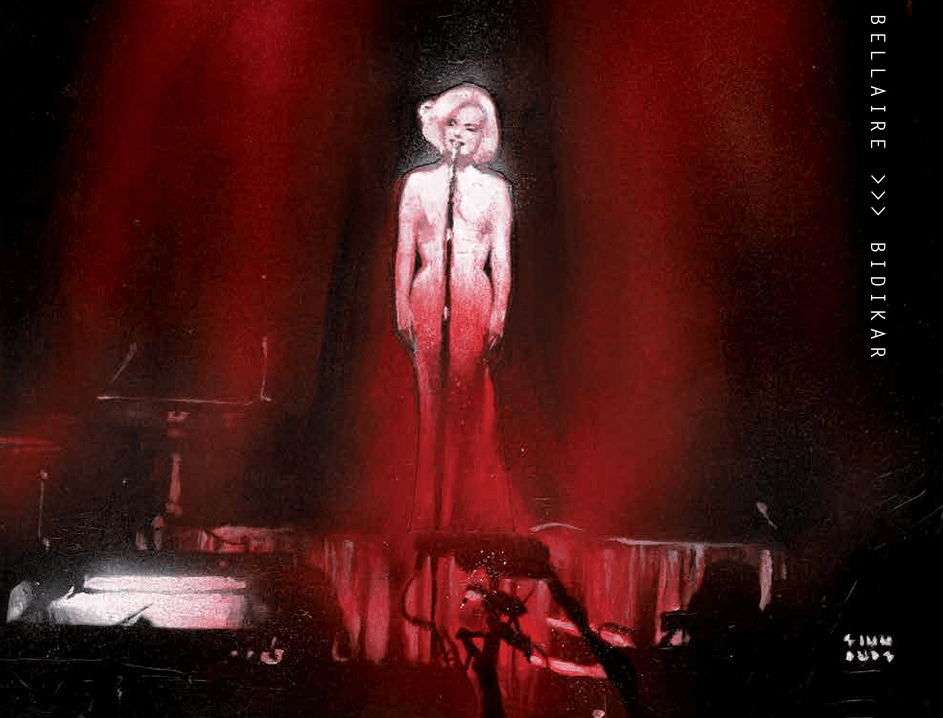
In issues #26 and #27 of James Tynion IV’s conspiracy theory comic The Department of Truth, drawn by Alison Sampson and colored by Jordie Ballaire, concern about Monroe’s behavior has caused the Department to send an agent named Huck to look after her. When he arrives, she says she’s in the midst of some strange break from reality. She has memories of an extended affair with JFK, despite admitting that she knows it didn’t really happen, which began after she sang Happy Birthday to him. In reality, the only time she and JFK were ever photographed together was after that event.
Prior to Huck’s arrival, we’re shown a letter Monroe’s written to Frank Capra, real-life propaganda filmmaker and, in-story, the first director of the Department of Truth. The letter uses the actual address where she resided when she died. “I’m starting to remember things I don’t think ever really happened,” the letter reads. “I don’t know why my friends said that you would want to hear about it, but they said you would.”

Image Comics
As Monroe tells Huck how strange her life has become, she explains that her face isn’t her own when she looks in the mirror. She sees a reflection of the woman in red with X’s in her eyes, who introduced humanity to the idea that if enough people believe something, it will become real. The title of issue #26, “Fictional Women,” hints at this personality crisis plot line, but it also touches on the earlier point that fame erases the person beneath the icon.
There’s no doubt that Monroe really did suffer many setbacks related to the concept of personhood, and there was a history of mental illness in her family. When Norma Jean became Marilyn, Marilyn became all there was.



You must be logged in to post a comment.