

Although there have been some bright spots after the spectacular finale that was Avengers: Endgame in 2019, many will agree that the Marvel Cinematic Universe is somewhat in a limbo state, with its primary producer Kevin Feige pursuing not only more feature instalments, but also with the numerous shows on Disney+ that would expand upon this shared universe. As we are expecting the return of Earth’s Mightiest Heroes with next year’s release of Avengers: Doomsday, we still have movies leading up to that event, including Captain America: Brave New World.
If there is a curse towards the post-Endgame movies like Doctor Strange in the Multiverse of Madness and The Marvels is that not only do they serve as sequels to previous ones, but also continue narratives that were happening on the TV shows. As much as Endgame sets up the prospect of Anthony Mackie’s Sam Wilson taking over the mantle of Captain America after Steve Rogers, there was also the miniseries The Falcon and the Winter Soldier which told that origin story. That show suffered from its many moving parts as well as an attempt to say something political which gets lost in the mess, and these issues are very apparent in Captain America: Brave New World.
From its initial premise, you have Thaddeus “Thunderbolt” Ross (Harrison Ford replacing the late William Hurt), previously a U.S. Army general and then the U.S. Secretary of State, who was always an antagonist towards the heroes. Now as the President, he is hoping to paint a more positive image of himself by setting up a treaty between the U.S. and other countries, along with the possibility of reforming the Avengers with Sam Wilson at the helm. However, when Wilson finds himself at the center of an international incident, things take a personal turn for him that forces him to go against the government to uncover the true culprit.
While we wait for Joe and Anthony Russo to come back to the MCU to direct the next two Avengers movies, director Julius Onah – one of the five credited screenwriters here – tries to recreate that conspiracy thriller aspect that the Russos brought during their initial run. Taking a lot of narrative beats from Captain America: The Winter Soldier and Civil War, Captain America: Brave New World is never willing to be brave and new. Instead, it rehashes without the hard work, when it comes to character development, whether it is towards Danny Ramirez as the new Falcon and Shira Haas as a former Black Widow, or even an emotional angle that the film doesn’t quite know where to point to.
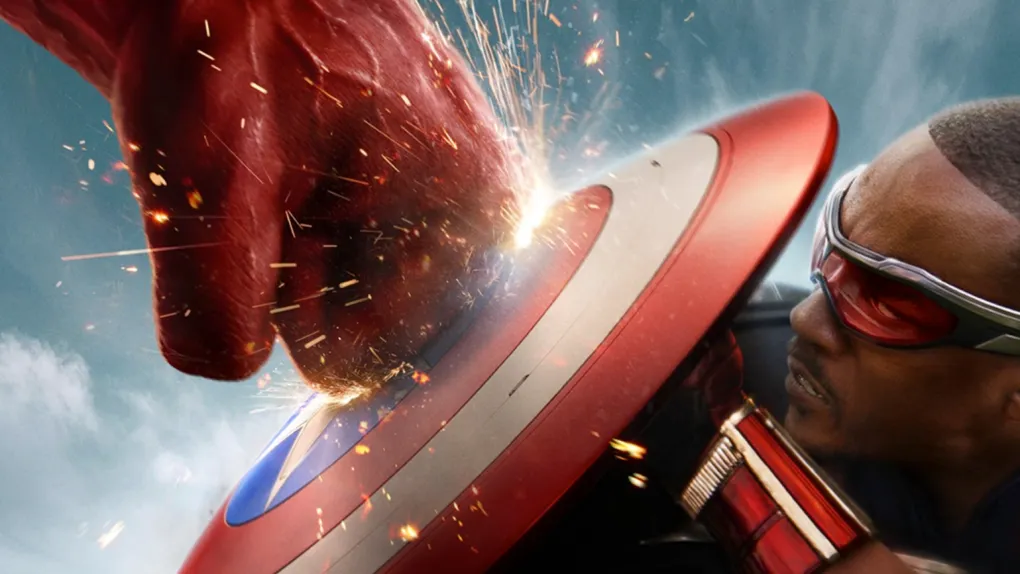
With so much fixation towards the plot, which is built upon previous instalments, going all the way back to 2008’s The Incredible Hulk – nobody’s favorite Marvel movie – and yet for all its Easter eggs, Captain America: Brave New World can’t entertain the hardcore comic book fan or even the casual movie viewer. Regarding its action, there seems to be a lack of imagination, whether it is the Serpent Society that are no longer snake-themed supervillains and now just mercenaries in black, to the window-dressing of Celestial Island from Eternals that misses the opportunity for a great set-piece. It also doesn’t help that the film’s marketing gave away all the big surprises, including Harrison Ford losing his cool to become the Red Hulk, which is actually the climax.
While there are too many characters, it is only in the few performances where the film finds its spark, with Anthony Mackie taking center stage. Given the aforementioned issue of the film’s lack of emotional angle, the few scenes that Mackie has with Carl Lumbly and Danny Ramirez have heart and humor, though a cameo from a recurring co-star reminds you of the MCU that you used to know. Considering the retconning going on with his character, Harrison Ford carries that internal conflict as the president with a history bathed in controversy and secrets, all of which culminates in him turning red.