

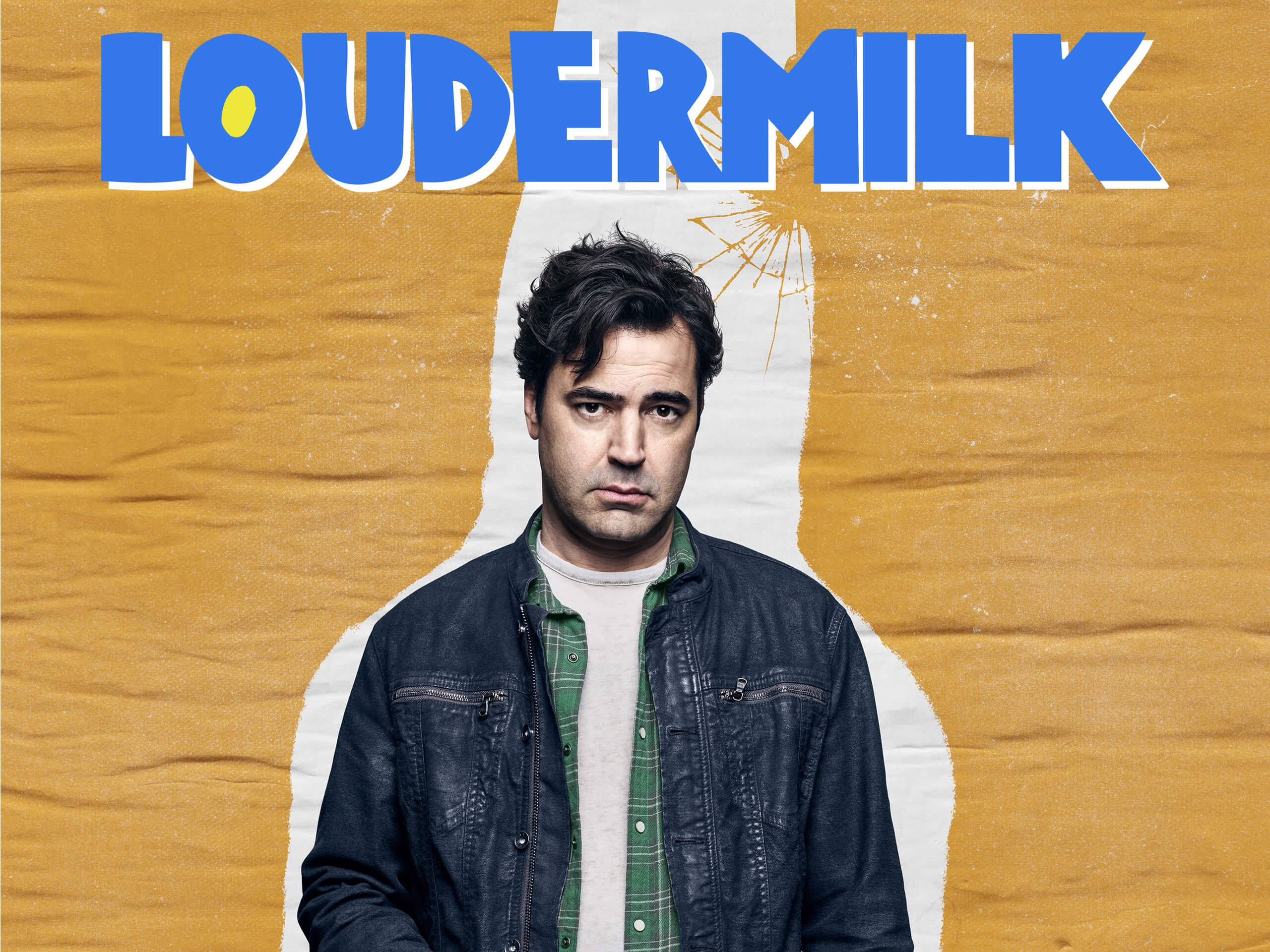

The 2017-2020 dark comedy series Loudermilk features a group of misfits struggling with addiction who attend regular Alcoholics Anonymous-style meetings run by Sam Loudermilk, a sarcastic, blunt, recovering alcoholic and substance abuse therapist, played by Ron Livingston.
Though they never specifically mention Alcoholics Anonymous (AA), Loudermilk incorporates many of the ideas surrounding 12-step programs, including the importance of regular meetings, chips marking months of sobriety, advocating for total abstinence, making amends, and having a sponsor. Despite the fact that the group is hosted in a church run by Father Michael, played by Eric Keenleyside, religion is rarely discussed in the show, and there is no mention of any “power” greater than themselves, or having to pray or meditate.
Along with the religious aspect of AA and many 12-step programs, the efficacy of these programs has been controversial. Once considered the gold standard of addiction treatment, with AA claiming a 70% or more success rate, some studies of AA outcomes show a success rate more like 5-10%. A 2020 Cochrane Review report encompassing more than 10,000 people showed that 42% of AA participants remained abstinent a year after beginning treatment.
In a 2014 interview with NPR, psychiatrist and co-author of the book The Sober Truth: Debunking the Bad Science Behind 12-Step Programs and the Rehab Industry, Lance Dodes, said that not only does AA not work, but it’s harmful to 90% of people who don’t do well in the program. He cited the chip system, in which the participant must start again if they have one drink, when having only one drink should still be considered a success.
In May of that year, The New York Times published a rebuttal of the book by psychiatrist Richard Freidman, who pushed back on Dode’s treatment of choice, psychodynamic therapy, which is based on Sigmund Freud’s work involving talk therapy and unconscious thoughts and feelings. Freidman said there’s no evidence that this therapy is effective for the treatment of any addiction, and further declared that Dode misunderstands and is dismissive of the research that’s been done on the role of neuroscience in addiction.
Clinical psychologist Jonathan N. Stea’s book, Mind the Science: Saving Your Mental Health from the Wellness Industry, mentions that evidence for the effectiveness of 12-step programs is mixed, due to inconsistent oversight and structure between groups. In Loudermilk, this is illustrated humorously when Sam and two others from the group encounter wildly different styles on a road trip from Seattle to New Orleans, including a reasonably sane meeting in a barn with cows, to one in a small-town United Church where the leader drinks martinis and invites the participants to do the same.
Stea notes that the biggest problem with 12-step programs is when they “undermine other evidence-based treatments,” such as having a strict abstinence-only philosophy that doesn’t allow the use of psychiatric medications, like stimulants for ADHD, or opioid agonist therapies. Those same programs might allow coffee and nicotine, though, creating arbitrary boundaries.
In the show, an abstinence-only approach is espoused, as demonstrated by Loudermilk consuming a shot and then inducing vomiting out of fear and remorse, followed by him having to restart his count of sober days. Stea explains that the science of abstinence has evolved, that addiction recovery doesn’t always require complete abstinence, and that a strict 12-step program may cause more harm than good.
The Loudermilk episode “I Fought the Law” (season 2, episode 5), is about ayahuasca, discussed as sort of a “magic pill” to overcome all kinds of ails by one of the group members, whose cousin “found his soul” after trying it. Claims of ayahuasca’s miracle cures included anxiety, addiction, depression, PTSD and ED. Loudermilk pushes back in his usual, tactless way, stating that psychedelics can be dangerous and should not be used by people struggling with addiction. A cheeky air of legitimacy was portrayed when two members partook in the ceremony, which was held at the “Neurological Research Facility” as part of a clinical trial.
In reality, this type of research is becoming more common. In 2022, the University of Calgary established a $3 million dollar research position to study the therapeutic potential of psychedelics. In 2023, Alberta became the first province in Canada where patients were legally permitted to receive psychedelic treatment under the supervision of a psychiatrist.
However, there is controversy. Stea maintains that psychedelic research is rife with poor science, including conclusions based on small sample sizes, lack of blinding, and high dropout rates. A February 2024 review, titled Ayahuasca and Dimethyltryptamine Adverse Events and Toxicity Analysis: A Systematic Thematic Review, states that participants diagnosed with anxiety and depression commonly experienced mild and transient adverse mental health effects after ayahuasca treatment.

In season 2, episode 8 of Loudermilk, a character named Brooke joins the group for the first time. She owns a chain of wellness clinics specializing in eastern medicine, including acupuncture, reiki, and chiropractic. Loudermilk hurts his back, and Brooke tries to help him. He refuses in his usual dismissive and insulting way, and she acknowledges that he doesn’t “believe in this sh*t.” There’s plenty of research to back up that disbelief. Many experts have criticized these wellness practices for lacking scientific evidence, including in multiple articles on the website Science-Based Medicine.
Chiropractic care is grounded in the belief that most medical disorders are caused by spine misalignments or subluxations despite the absence of robust evidence supporting such claims. Acupuncture, which involves inserting needles into specific points on the body, is rooted in the unproven concept of balancing “Qi” or life energy, which modern science does not recognize. Reiki, a form of energy healing in which practitioners claim to manipulate the body’s energy fields without touching the patient, also lacks empirical support and is dismissed as pseudoscience.
These practices may offer placebo effects, but fail to demonstrate consistent, reproducible health benefits under rigorous scientific scrutiny. Despite this lack of efficacy, the episode finishes with Brooke quickly, miraculously, and surprisingly curing Loudermilk. I interpreted this as being satirical, but true believers might think it’s a real depiction of possible events.
The often uncomfortable humor of Loudermilk underscores the importance of community and the complexities of addiction. Addiction should be addressed individually using science-based approaches, and it’s crucial to be wary of popular trends that may reinforce personal biases and beliefs. Ultimately, the objective of addiction treatment should be to offer diverse, supportive, and effective options for those who are struggling, ensuring that no one is neglected due to outdated or ineffective methods.
Every February, to help celebrate Darwin Day, the Science section of AIPT cranks up the critical thinking for SKEPTICISM MONTH! Skepticism is an approach to evaluating claims that emphasizes evidence and applies the tools of science. All month we’ll be highlighting skepticism in pop culture, and skepticism *OF* pop culture.
AIPT Science is co-presented by AIPT and the New York City Skeptics.



You must be logged in to post a comment.