


Since 2015, Ryan Coogler has been in the realm of franchise filmmaking, starting with Creed which revitalized the Rocky series, to then contributing to the Marvel Cinematic Universe with his two Black Panther movies. Throughout his filmography, including his 2013 debut Fruitvale Station, Coogler has often looked at cultures and characters, most notably African Americans and the injustices that they face. In the case of his latest feature, the 1930s-set Sinners, the injustices that its characters are confronted by range from racism to vampirism.
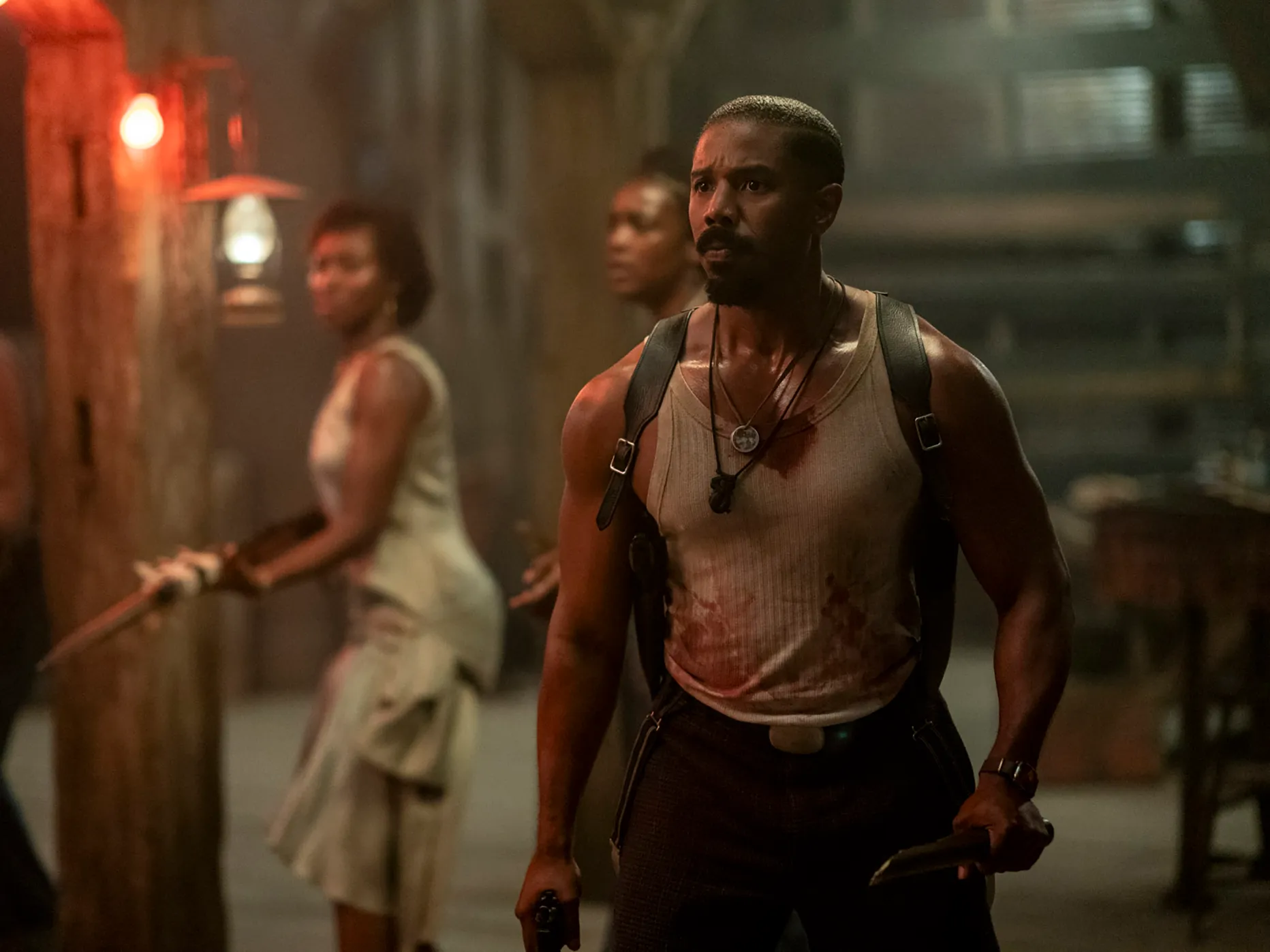
Returning to their home that is the Mississippi Delta after years in Chicago, the identical twins Smoke and Stack (both played by Michael B. Jordan) purchase a sawmill to start a juke joint for the local black community. The first hour of Sinners is devoted to the planning of said juke joint, introducing all the major players, contributing to the opening night, including the twins’ young cousin Sammie (Miles Caton), an aspiring guitarist, joins them despite opposition from his pastor father.
Though the start of a new business that will be celebrated, the twins themselves are going through their own personal demons, from Stack awkwardly reconnecting with his ex-girlfriend Mary (Hailee Steinfeld), to Smoke being reminded of a family tragedy when reunited with his estranged wife Annie (Wunmi Mosaku). Considering the slow pace of the initial hour of Sinners, Coogler does an excellent job in establishing all these characters – played by a predominately black cast – and the dynamic they all have with each other, that once we reach the opening night where the music plays hard, the film becomes a toe-tapping experience.
Having composed all of Coogler’s films, which have a strong musical element, Ludwig Göransson pushes it further with music in all its various forms. The music is a character as important as everyone else. Primarily blues music, Göransson’s score brings in other influences, leading to some thrilling musical numbers where the many actors get to show off their vocals, most notably newcomer Miles Caton whose voice is so captivating, that it catches the attention of some unwanted guests, led by the Irish-immigrant vampire Remmick (Jack O’Connell).
Considering this is Cooger’s first original screenplay since Fruitvale Station, his influences here are obvious, especially when it comes to horror. Taking a lesson from Robert Rodriguez’s From Dusk till Dawn, the vampiric horror kicks in during the second hour following a fun night of music, dancing, gambling, and drinking. What could have been a disjointed watch that shifts from one movie to another, weaving in ideas that touch on past America’s own relationship with music and racism injects some true horror that you are hoping that these characters will survive the rest of the night. The vampires themselves are not unique as they abide by the rules that you usually expect from vampires whilst being scary and sexy, but then you throw in a sequence where they perform “Rocky Road to Dublin” and suddenly you enjoy their company before all hell breaks loose.
While this is not a slam on Coogler’s work of the Black Panther movies – with one celebrated for its cultural significance and the other being a moving tribute to the late Chadwick Boseman – working under the Marvel machine, you are still beholden to limitations. Taking a cue from what Jordan Peele has been doing with his directorial career, Sinners feels cathartic in its meshing of genres without compromising on what Coogler wants to say about America. That mixing of genres can lead to bold swings with Coogler and Black Panther: Wakanda Forever cinematographer Autumn Durald Arkapaw taking full advantage of the IMAX technology, including a surreal montage where African music genres from past and future collide in one glorious shot.