


The Umbrella Academy is one of the most important comics in my life. I read the first volume, Apocalypse Suite, in college after hearing that Gerard Way was the writer (I was big into My Chemical Romance as a teen, and still am.) Way’s wild and imaginative scripting, mixed with Gabriel Bá’s one-of-a-kind artwork, was unlike any comic I had read, and was my gateway to indie comics alongside Invincible. So to say that I’m excited for The Umbrella Academy: Plan B #1 is an understatement.
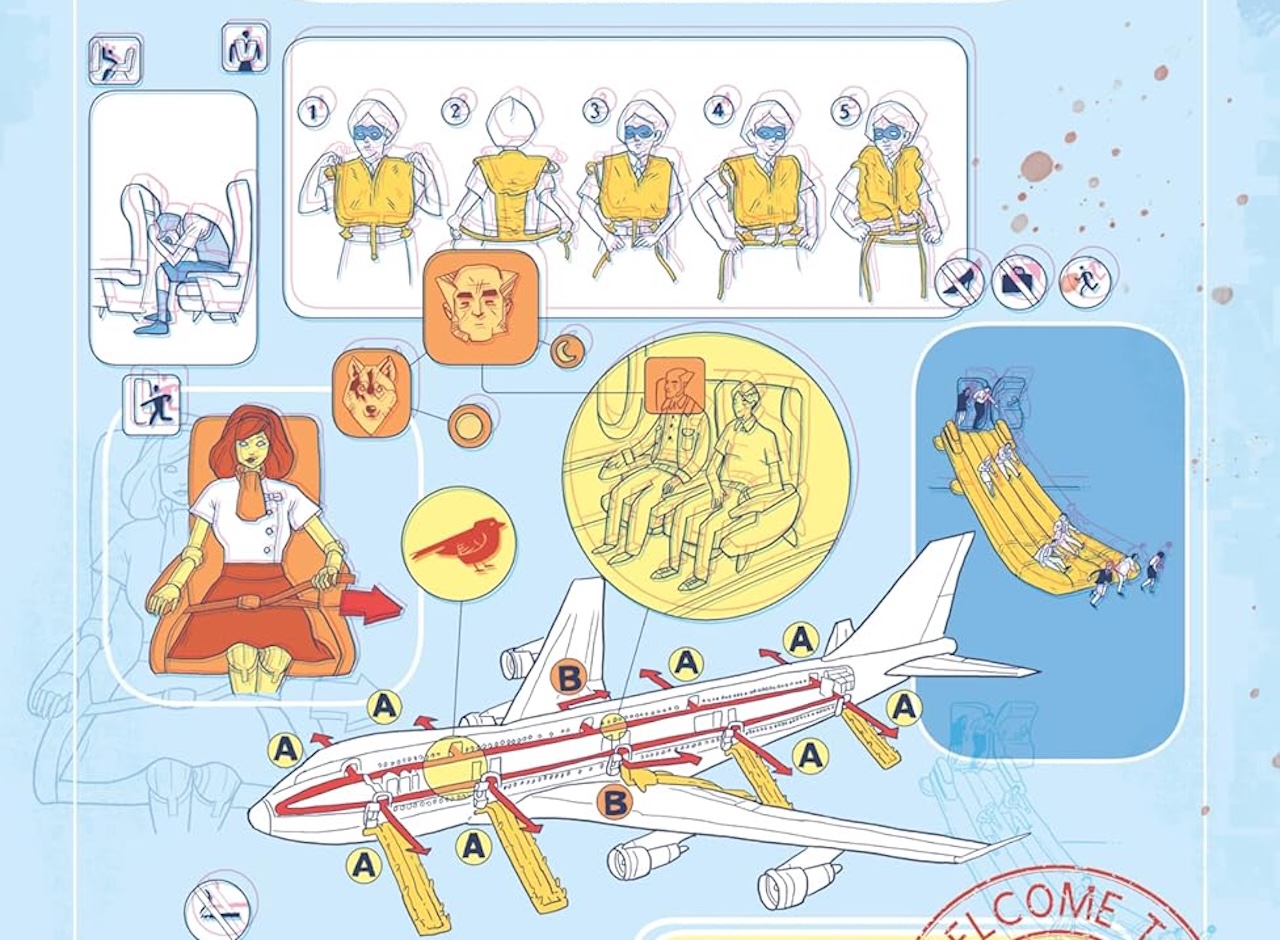
Plan B #1 starts off by winding the clock back to the day when 43 extraordinary children were born. Umbrella Academy fans probably know the story: Sir Reginald Hargreeves, better known as the Monocle, adopted seven of these children to become the Umbrella Academy. What they didn’t know is that Hargreeves adopted seven more children and trained them in secret. In the present day, these children have become the Sparrow Academy – and they intend to replace the Umbrella Academy, calling them “obsolete.”
Fans of The Umbrella Academy‘s Netflix adaptation might know about the Sparrow Academy since they were a major part of seasons 3 and 4. But Way manages to put a unique twist on these characters, giving them abilities that feel at odds with their siblings. When the Rumor attempts to use her reality warping powers to beat the Sparrows, one of them proves to have the ability to counter it. Another Sparrow nearly drives the Kraken to the brink of insanity with her words alone – which is chilling given that they’re words of encouragement.

Dark Horse
The biggest difference between the Umbrellas and the Sparrows lies in their interactions, and it’s here that Way’s script shines. For all of their ups and downs, the Umbrella Academy is a family – they’ll have each other’s backs. The Sparrows, on the other hand, act more like a military unit than siblings, and an act that they committed when they were younger sent chills down my spine. I’ve read plenty of comics where supposed “superheroes” turn out to be worse than the evil they fight, but there’s something truly unsettling about the Sparrows.
Bá continues to draw a superhero universe that doesn’t fit the traditional mode, and further highlights the different dynamic between the Umbrellas and the Sparrows. Apart from their domino masks, the Umbrellas are wholly different; Spaceman’s giant gorilla body, Kraken’s striped shirt and knives, and Five’s school uniform make them unique characters. In contrast, the Sparrows sport matching red and black uniforms, apart from the member who’s a sentient cube. (Writing the words ‘sentient cube’ is what convinces me that I’m reading Umbrella Academy.)
The best moments come when Bá shows us what it looks like when Klaus Hargreeves, aka the Seance, gets hit in the face with seemingly harmless slime. It turns out that this slime has an immensely psychedelic effect, as Bá’s artwork starts to resemble a Salvador Dali painting. What really makes it trippy, though, is Dave Stewart’s bright color art. Stewart effortlessly switches between palettes throughout The Umbrella Academy: Plan B #1, whether it’s a stormy gray sky or the pristine white of the Sparrows’ sanctuary. He also works in tandem with Nate Piekos to deliver some unique word balloons for certain characters, and the end result is great.
The Umbrella Academy: Plan B #1 sees the return of a classic indie comic, and Gerard Way and Gabriel Bá are determined to keep it as weird as ever. While newcomers might be confused by what’s going on in the pages, I highly suggest that other fans check out the past comics because this is a book that’ll rewire your brain chemistry (in the best way).




You must be logged in to post a comment.