

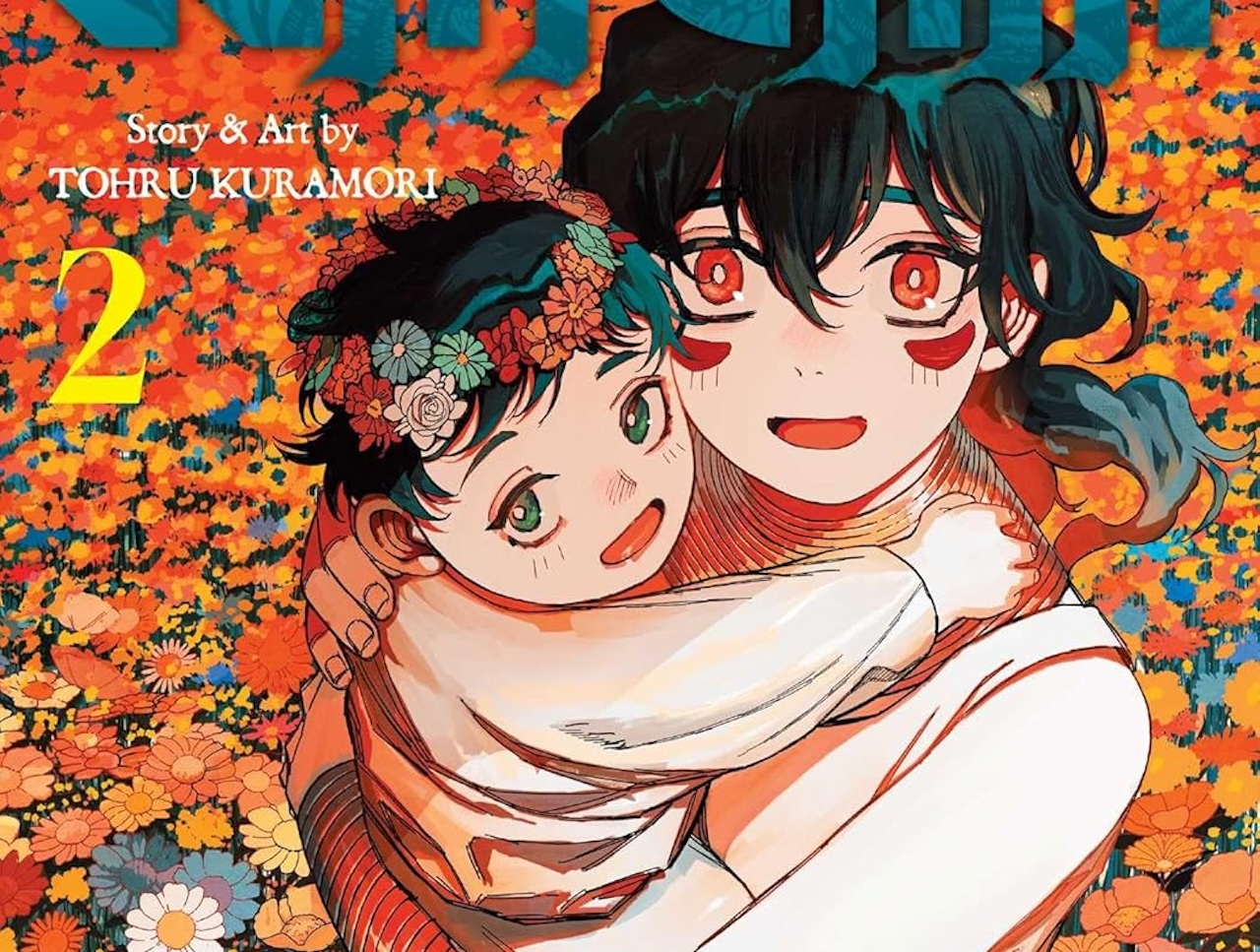

Dark fantasy has become a popular Shonen genre in recent years – after Chainsaw Man and Jujutsu Kaisen left a huge impact, everyone wonders what will be the next big thing. Whilst you have titles like Takeru Hokazono’s Kagurabachi that went from being a meme to one of Weekly Shōnen Jump’s beloved series, you also have Tohru Kuramori’s Centuria making its western debut early this year and leaving quite the impression.
Picking up where the first volume left off, former slave Julian – who now possesses the combined strength and lives of a hundred slaves – finds a new peaceful life in a village where he can take care of her adoptive baby sister Diana and stays with Angvall and Titi. During the opening chapter, there is an inherent coziness as we spend time with Julian getting to know the other villagers such as Joseph and his family, including his father who may have his senile moments but is still a keen and skilled hunter with great aim as a bowman.
While the pacing can be slow, one must praise Kuramori’s writing in showing the warmth towards these characters, especially when Julian, who is always reminded of the harsh life of slavery, suddenly having people who he loves and they love him back. As much as Julian wishes for this kind of life to last forever, we all know that in dark fantasy storytelling, that is never going to happen. When Joseph gets captured by something lurking in the woods, his father and Angvall investigate the disappearance and despite being told not to participate, Julian promises himself that no other child will lose a parent.

Viz
As the characters go deep into the woods, Kuramori builds the tension with a brief appearance of a bear which is obviously not the threat. When we are introduced to the large demonic threat, it is a twisted design whose body is structured with multiple legs like a spider, as well as having multiple heads that resemble furry beasts. No doubt a worthy opponent for Julian to test his combined strength and during a spectacularly bloody action sequence drawn by Kuramori, there is a touch of Dragon Ball, in which the young male protagonist uses his supernatural strength to take down something huge, much to the surprise of his companions.
When it comes to dark fantasy manga, it is hard not to think about Berserk and its influence on the genre. That may sound unfair to Centuria in comparison, but there is imagery here that is strikingly familiar to Kentaro Miura’s masterpiece. While the story expands more on the world-building, introducing characters that will have a greater significance in later volumes, there is also reference to a prophecy that will bring death and destruction. It may be a well-worn trope by this point, but the cursed prophecy becomes a major turning point for the characters during the final pages of this volume.




You must be logged in to post a comment.