

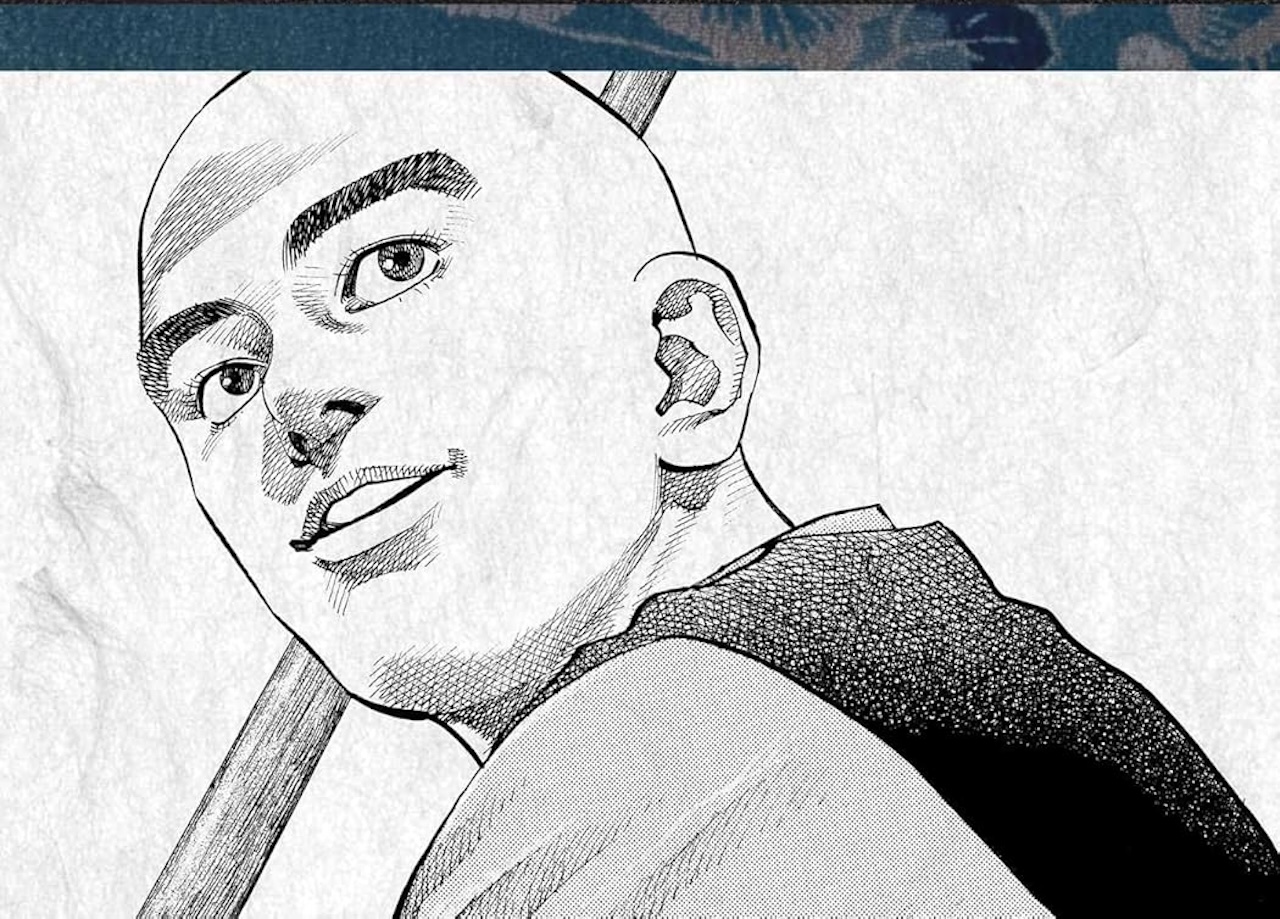

If Vagabond: The Definitive Edition Vol. 1 captivated you, then Vol. 2 will surely knock your socks off. While Miyamoto Mushashi isn’t much closer to becoming “Invincible Under the Sun”, the second volume is able to work wonders on expanding the world of Vagabond. Not only does Mushashi face his first true threat, but we also are able to see what primary undertones will shape the series. Through this, the story is significantly elevated as one of the most renowned manga begins to truly take shape.
The reason Takehiko Inoue didn’t use the name Miyamoto Mushashi as the title was because he “didn’t want readers to have preconceived notions about the story before they even began to read the manga.” Rather, the title Vagabond was preferable to the connotations Inoue preferred, that of a “wanderer or drifter.” It’s no doubt that Mushashi is a wanderer. Not only is he struggling to become the greatest swordsman, his internal conflict is growing stronger. This is why Takuan Sōhō continues to be an omnipresent mentor to Musashi. Although only brief role for Sōhō is provided, it works wonders for the series.
Inoue does a spectacular job showing how this story is so much more than that of a drifter. It’s a man with no place to go but the next, no challenge in life except the next, and seemingly no drive beyond brazenness. This may have worked to Mushashi’s benefit before, but the world is bigger than he thinks. Although Mushashi does little more than fail time and time again here, the book feels significantly more riveting than before. No longer are the threats bandits and scum; now, experienced and skilled swordsmen with years of tutelage under their belt are the opponent of our protagonist. For someone with no mentor but the mountains, it’s challenges like these that push him to be better.
“Preoccupied with a single leaf… you won’t see the tree. preoccupied with a single tree… you’ll miss the entire forest.” This is seemingly what separates Miyamoto Mushashi from Matahachi Hon’iden. The two are perfect foils of one another. For every moment that Mushashi fails to push himself to look inward, Matahachi is distracted by his own greed. It’s interesting that the two, who were once best friends, both fail to see the bigger picture, but in different ways. While Mushashi is constantly considered a ‘demon,’ Matahachi is titled as a ‘vermin’ because of his immoral nature, selfishness at the expense of any sense of ethics, and disregard for the care of others. I truly can’t stand him. Yet I get the feeling this is exactly what Inoue wanted. See, in a way, the two are both drifters, albeit with different goals, who are trying to be better. And while it seems like Mushashi is closer to finally overcoming adversity, it seems like Matahachi has found another way to cheat the system. Altogether, the two work well as foils to make the reader really take and think about the complexities of human nature.
Let’s talk about that fight. Hōzōin Inshun is unlike anyone Mushashi has fought before. Although Mushashi is often considered a ‘demon,’ Inshun is in a class of his own. Frankly, Inoue’s art style has made this a perfect book to me. His specificity is almost granular at times, depicting some of the most beautiful moments imaginable. And then, just when you forget what this book is about, it’s fights like that against Inshun that work a reminder of how incredible his ink work is capable of being to depict some of the most sharp, intense, and thrilling fights imaginable. Altogether, this book is nothing short of a true visual masterpiece.
Vagabond: The Definitive Edition Volume 2 is nothing short of incredible. The story continues to be absolutely riveting from start to finish and is balanced by incredible art. Additionally, the ethical dilemmas posed by Mushashi and Matahachi’s stark differences make the story feel more impactful. With beautiful fights and stunning moments of nature’s ethereal beauty, the book is also absolutely stunning. This book is simply a must-have for folks interested in the series in any capacity.




