


Fairy tales are an important part of our shared history. While the term can be used to describe extremely happy occasions – many long to have a “fairy tale” wedding or be a part of a “fairy tale” romance – they can also provide nightmare fuel. Wicked witches, flesh-eating trolls, and trickster demons are just some of the evils that may be encountered. These stories have been shared over time and have been an important part of every civilization that has ever existed. They made the journey from the spoken word to the written page to the big screen.
Early and often is the term best used to describe the relationship between fairy tales and cinema. Rapunzel was released in the 19th century, while Little Tom Thumb, Bluebeard, and Little Red Riding Hood were all released right after the start of the 20th century. This would continue over the decades, with Disney releasing some of the most beloved adaptions of all time. There have been animated versions, live remakes of those animated classics, alternate tellings from another character’s point of view, parodies, modern retellings, and movies that have been inspired by fairy tales. Some years have had less than others, but there has never been a shortage.
Fairy tales and horror have long gone together. In the 1800s, the stories were rewritten to be more suitable for children. Violence was toned down and sexual references were eliminated. There have always been those who have objected, but it was not long before fairy tales were thought of as children’s stories. And it was in this change that fear became a bigger part of them.
So, it is only natural that horror movies turned to fairy tales for inspiration. These twisted takes range from 1986’s Deadtime Stories to Guillermo del Toro’s Pan’s Labyrinth to the ‘Surprise Party’ segment in 2007’s Trick ‘r’ Treat. And they all have one thing in common. The best fairy tales impart some sort of message or feeling. It does not have to be particularly deep, it just has to resonate with the audience.
This is important today since we seemed to have entered an era of constant retellings of classic children’s stories. (Yes, Mickey Mouse and Popeye are a stretch, but they fit.) As soon as the IPs entered the public domain, filmmakers rushed to tell horror-centric versions of Cinderella and Winne the Pooh. While the idea is not as original as people at the time made it out to be – there had already been scary versions of Snow White and Hansel and Gretel, after all – it sounded like a fun idea.

The problem was these new movies decided to go all in on extreme ideas. What if Winnie the Pooh was a serial killer or Peter Pan kidnapped children? These new movies were all about being shocking and nothing else. Is there fun to be had? Sure, but the interest quickly wanes. For all the buzz around Blood and Honey, who knew there were two Popeye slasher films floating around?
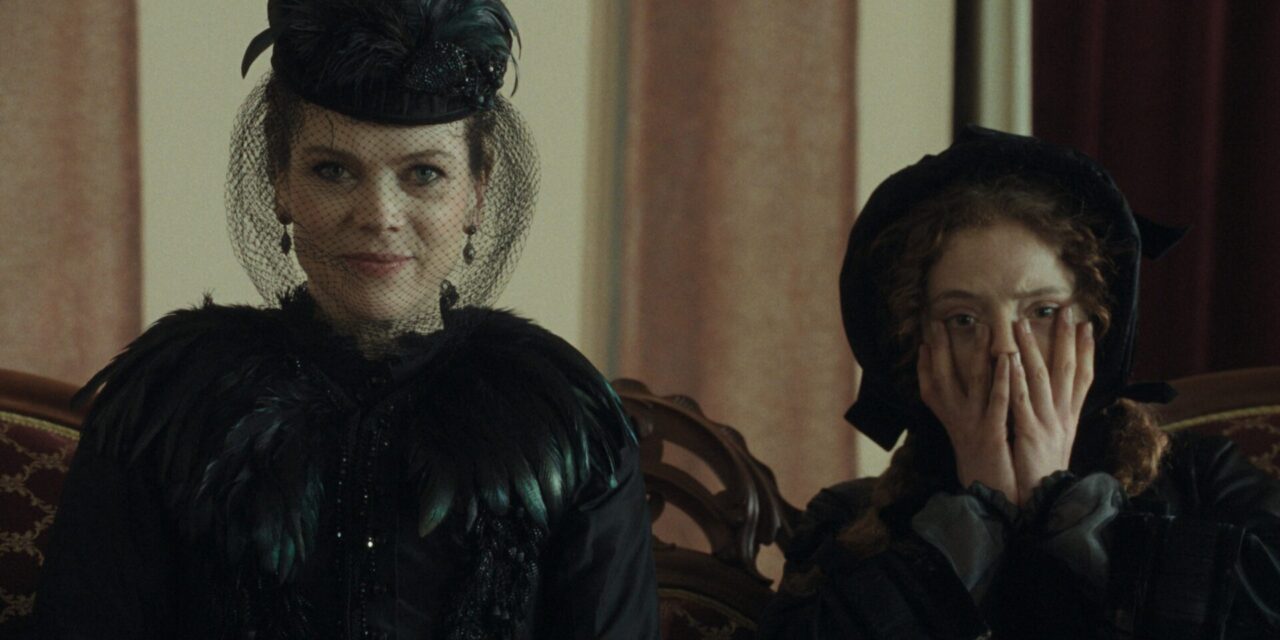
The Ugly Stepsister deals with standards of beauty, the relationships between family, and questions of how far a person is willing to go to get what they want. It is frightening on a number of different levels, darkly funny, and filled with despair. There is a lot to unpack (check out Kevin Clark’s fantastic full review), but more importantly, it will stay with anyone who has watched it. This is what the best fairy tales always do.
Which is not to say there is no room for Mickey Mouse horror movies; there will always be a place for entertaining fluff in horror. But for a fairy tale – even a fractured one – to truly mean something, it has to leave an impression. Anything else may briefly capture some looks, but in the end will lack any staying power.



You must be logged in to post a comment.