

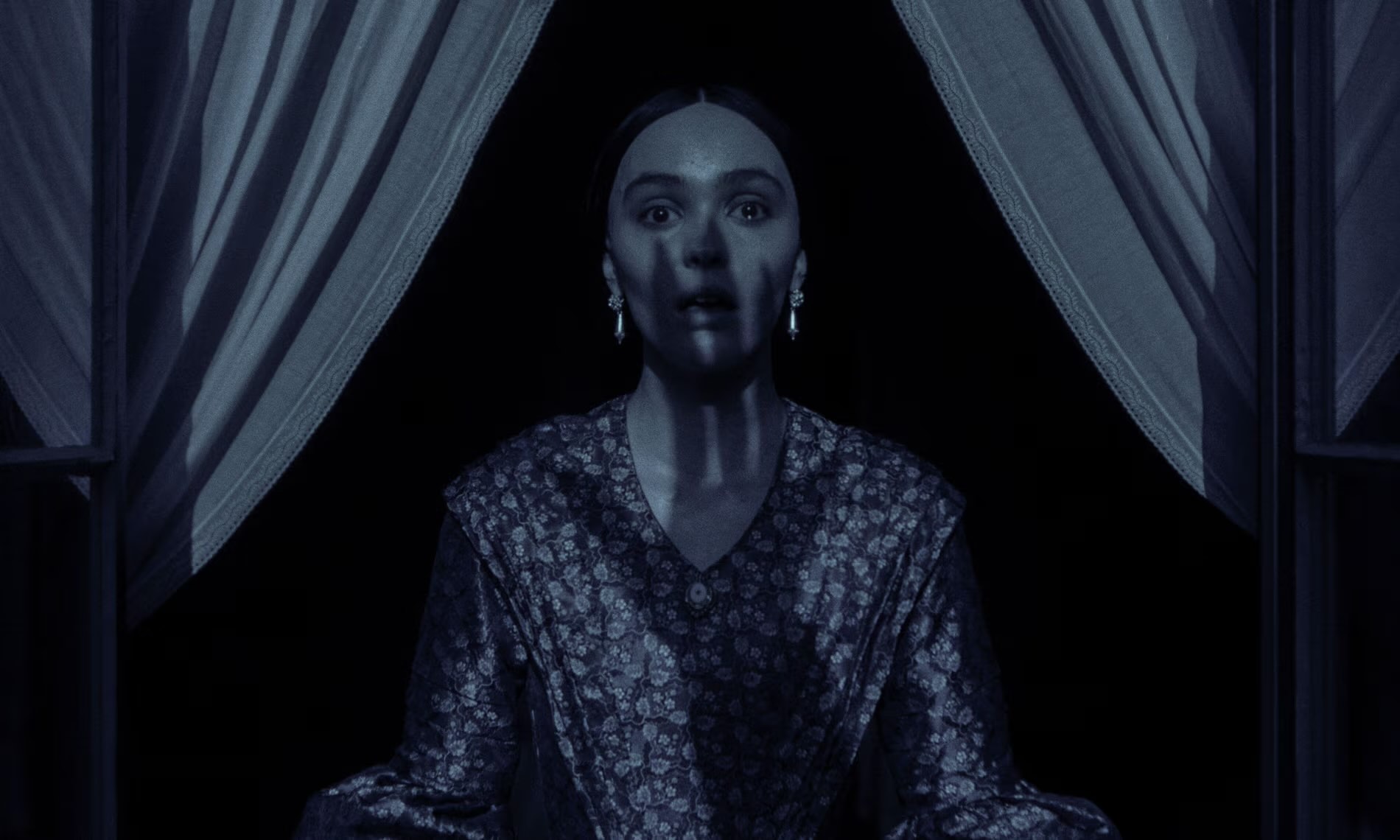

Although horror cinema was around before 1922, F. W. Murnau’s Nosferatu was a turning point for what the horror genre can do. As part of the wave of German Expressionist cinema that included Robert Wiene’s The Cabinet of Dr. Caligari and Fritz Lang’s Metropolis, Nosferatu was an unauthorized and unofficial adaptation of Bram Stoker’s 1897 novel Dracula, which led to a lawsuit, resulting in a court ruling that ordered all copies of the film to be destroyed. However, several prints of Nosferatu survived, and the film came to be regarded as an ongoing influence for the horror genre, including Robert Eggers’ own remake of Murnau’s original.
For Eggers, this was a passion project that started off as numerous theater productions that he directed during his youth and following his 2015 folk horror The Witch. Eggers first attempted to make his remake of Nosferatu, only for him to do The Lighthouse and The Northman instead. Now that his long-awaited version has arrived, what does Robert Eggers bring to this particular take on the Dracula story?
Set in the fictional German town of Wisborg in 1838, Thomas Hutter (Nicholas Hoult) accepts a commission from his employer, Herr Knock (Simon McBurney), to sell a decrepit stately home to the reclusive and eccentric Count Orlok (Bill Skarsgård). Leaving behind his fearful wife Ellen (Lily-Rose Depp) in the care of his wealthy friend, Friedrich Harding (Aaron Taylor-Johnson) and his wife Anna (Emma Corrin), Thomas departs for Orlok’s castle in Transylvania’s Carpathian Mountains, leading to a journey of vampiric horror that will affect everyone.
Considering the countless Dracula adaptations, many of which deviated from Bram Stoker’s source material, it is a tale where everyone ought to know the broad strokes. Stoker’s novel is credited here as an inspiration, but Eggers is following the narrative beats of Murnau’s original. That said, those aforementioned broad strokes are often rooted by someone taking inspiration from someone else’s interpretation of the material, whether it is Werner Herzog’s meditative slow-burning remake from 1979, or Francis Ford Coppola’s stylish Gothic romp from 1992.
Whereas F. W. Murnau’s silent original is known for its blend of horror imagery and orchestral music that cements its subtitle, A Symphony of Horror, Eggers’ remake is bathed in Gothic theatricality with characters trying to understand an evil that is haunting them. Initially thinking it is a rat-infested plague, this evil becomes more unknowable, to the point that these people losing their sanity, such as Nicholas Hoult serving as the audience’s perspective as he encounters first-hand the presence of Count Orlok.
While there are scene-chewing turns from Willen Dafoe as the Van Helsing character, Professor Albin Eberhart Von Franz, to Simon McBurney who literally chews some animal heads off as Herr Knock, no one will leave a greater impression than its two incredible leads. As Max Schreck’s Count Orlok has been referenced and parodied throughout pop culture including an episode of SpongeBob SquarePants, it is shocking to see how Eggers and prosthetic makeup effects designer David White rethink this iconic design and it’s more than just adding a bushy mustache. Whilst Bill Skarsgård is no stranger to horror and acting under heavy prophetic work – look no further than his turn as Pennywise the Dancing Clown in the It movies – he delivers his best work here, going through a transformation where he is unrecognizable from a physical and vocal standpoint where his presence is enough to send a chill down your spine.

The other standout is Lily-Rose Depp, who may not rely on heavy makeup, but delivers a physical performance that is closer to Isabelle Adjani’s extraordinary turn in 1981’s Possession. While there are shades of who this character was in previous versions, in that she is a wife who seems driven by fear, from losing her husband to being scared of her own dreams, there is more emphasis on Ellen’s role, not just in terms of an unlikely hero, but also as the catalyst that initiates the horror.
Having leaned towards Lynchian surrealism previously, most notably in The Lighthouse, Nosferatu is arguably Robert Eggers’ most accessible film, going back to his horror roots with The Witch, only on a larger scale. With clockwork precision in how cinematographer Jarin Blaschke’s camera moves, showing unbroken sequences of characters entering one room to the next, even during mid-conversation, you can see parallels to the work of Wes Anderson. And yet, whereas Anderson using these techniques to a rhythm of fast comedic pacing, Eggers lets the scenes linger on for his actors to be drenched in an atmosphere that is either bathed in heavy snow, or the elongated shadow that Orlok casts out to signal his own prey.




You must be logged in to post a comment.