

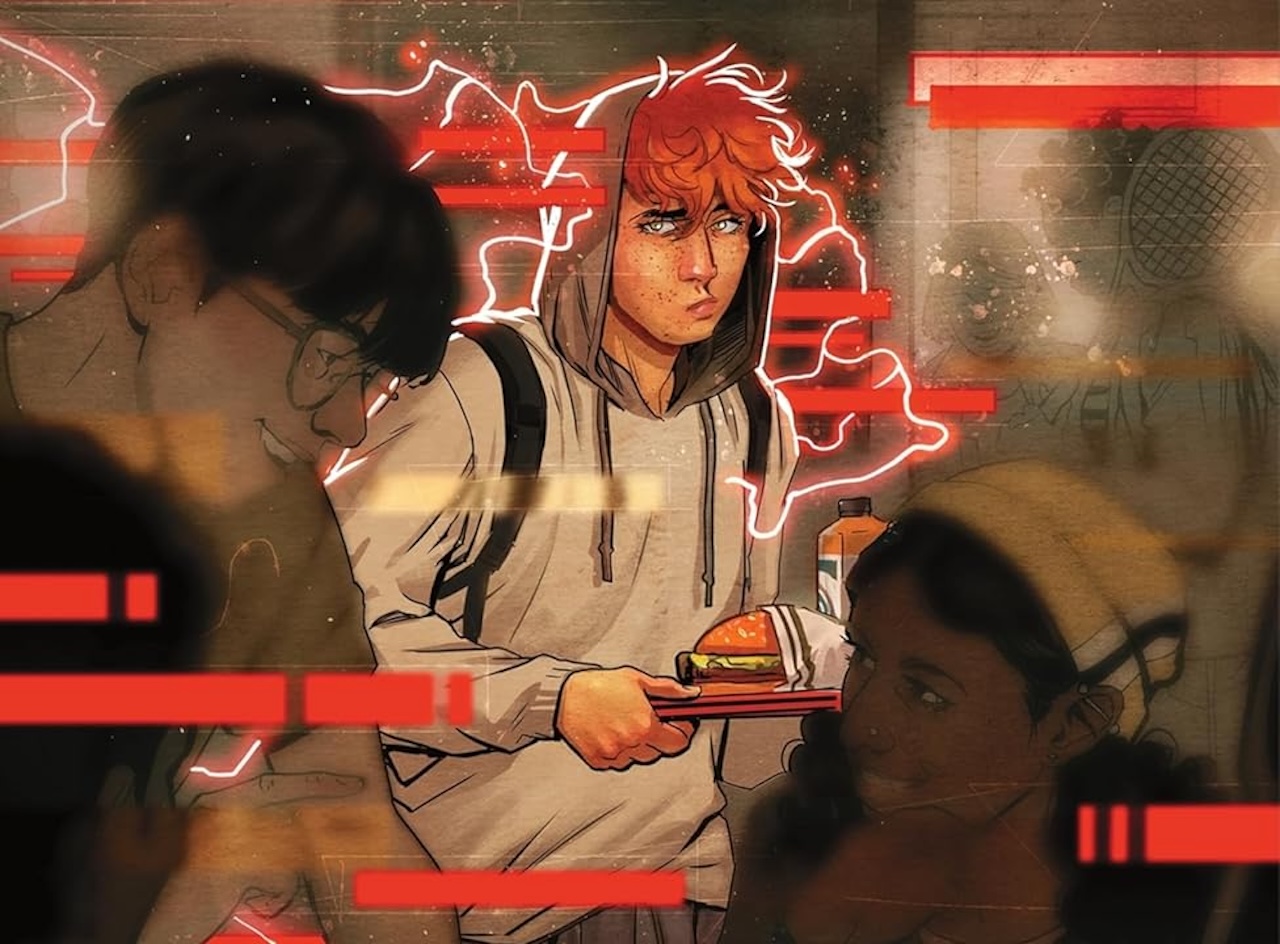

Wally West can’t catch a break in any universe. And that’s actually why he’s awesome. Because, much like a friendly guy from another spectacular neighborhood, he always gets back up! Here, Wally and his best bud Gorilla Grodd (yes) find a brief period of respite. But as they say, nothing good lasts forever. Especially for a speedster.

DC
Something I’ve really loved about this series is how Wally West remains relatable. However, here, he’s full of anxiety and doesn’t have the best self-esteem. Now I think at one point or another, we’ve all been down on ourselves, felt like life was moving a mile a minute, or felt like nobody understands us. Here, it’s delivered in a more “normal” internal monologue. Rather than primarily worrying about stopping villains or mastering his powers, his focus is on being homeless, hungry, and trying to find his place in the world. This helps to add depth to the story as a whole by not having everything so fast-paced. By doing this, the book is allotted some breathing room to also introduce a plethora of side characters who are likely to be of the utmost importance. By expanding the supporting cast and slowing things down, this book finds itself becoming a bit more sincere here than previously, and as a result, readers can begin to see how intricate of a story Jeff Lemire is planning.

DC
A.J. Kaplan takes over artist duties from Nick Robles to partner with Adriano Lucas. The pair show their versatility by contrasting the recent desert environment with one more colorful. Something that comes out spectacular in the issue is creativity in how Kaplan designs new characters. His more fluid art style allows for some characters to remain consistent with their other interpretations while others appear vastly different. This variation works wonders to add intrigue to the book’s direction and begins to bring things in a bit more towards being a science fiction story at times.
While Lucas’ colors here might be a little too flat for some, I appreciate it and think that it serves a greater purpose of reminding people how green and new to being a hero Wally is still. Altogether, I appreciate the different artistic directions of these two, and I find that the story benefits from their collaboration nonetheless.

DC
Altogether, I find Absolute Flash #4 to be another strong issue in the series. This issue benefits from the slower pacing as Lemire flexes his world-building skills and expands the supporting cast of the series without making the issue a shallow cameo-fest. Additionally, the book is nicely illustrated and offers a different art style than previous issues. And while I appreciate the difference in style, I’m not sure the colors work as well as they could here. However, I appreciate that the story nonetheless provides a focus on how new to things Wally is and allows readers to experience the newness of his life as a pseudo-hero. Altogether, Absolute Flash #4 is a very enjoyable issue that ends on an exciting cliffhanger.




You must be logged in to post a comment.