



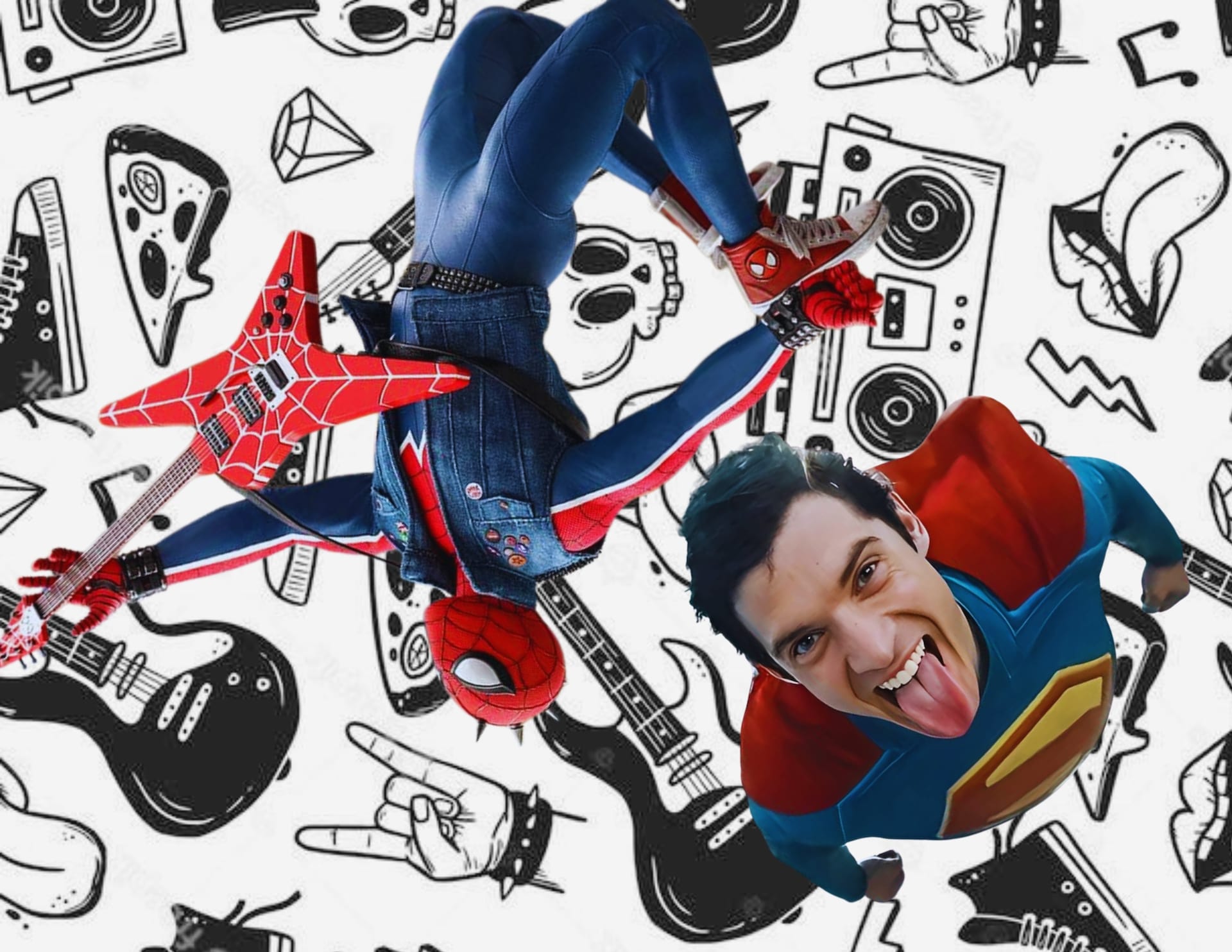

James Gunn’s Superman isn’t just a superhero story but a cultural commentary. The film offers a bold, even subversive, central thesis: that Superman is punk rock. Not because he dresses like Sid Vicious or sneers at the establishment, but because he helps others without expecting anything in return. In a world increasingly driven by self-promotion, profit, and performative kindness, this version of Superman offers a radical form of rebellion: pure, unselfish good.

In 2025, calling someone “punk rock” is less about mohawks and more about ethos. Punk has always been about resisting conformity and rejecting systems that prioritize greed and exploitation. In a society where most people act from a place of self-interest, whether it’s for clout, money, or likes, choosing to be kind, quiet, and selfless is nothing short of revolutionary. That’s what makes this Superman different. He doesn’t post about his heroics. He doesn’t monetize his good deeds. He doesn’t want anything in return. He’s not trying to build a brand; he’s trying to build a better world. That is punk rock.
Superman couldn’t have been punk rock in the same way during previous generations because culture hadn’t yet swung so fully toward commodification. In the 1940s, Superman was a patriotic figure. In the 1970s, he was idealistic. In the early 2000s, he was a relic—still moral, but overshadowed by more cynical or edgy heroes. But in 2025, he’s surrounded by a world consumed by hustle culture, self-branding, and constant self-surveillance. From Instagram influencers who curate acts of charity for likes to TikTok users performing vulnerability for engagement, almost everything is transactional. Even helping others can feel like it comes with a price tag or a hashtag.

That’s why this Superman stands out. He is genuinely good. Not for fame, not for profit, not even for applause. He does it because it’s right. In today’s society, that’s the most anti-establishment thing a person can do.
It’s a message with teeth. By calling Superman “punk rock,” the movie reframes altruism as a form of rebellion. It dares the audience to reconsider what strength and courage look like in an era dominated by self-interest. It suggests that true heroism isn’t in the spotlight, it’s in the shadows, where someone chooses to help even when no one is watching.
And maybe, just maybe, that message will stick. Maybe a kid watching this Superman will decide to help a classmate, not for praise, but because it’s the right thing to do. Maybe someone will put down their phone and pick up their neighbor’s groceries. Maybe punk rock doesn’t have to look like ripped denim and electric guitars. Maybe today, punk rock looks like a man in a cape who could rule the world, but instead chooses to save it, one quiet or kaiju-stopping thankless act at a time.
That’s not just punk rock. That’s hope.



You must be logged in to post a comment.