


Crossovers often exist within one question: are these characters simply sharing pages, or are they actually affecting one another? DC x Sonic the Hedgehog: Metal Legion has spent two issues proving it understands the difference.
Every crossover reaches a point where introductions are over and the premise has to justify itself. Issue #3 is where DC x Sonic: Metal Legion has the opportunity to become more than a novelty for fans of both universes.
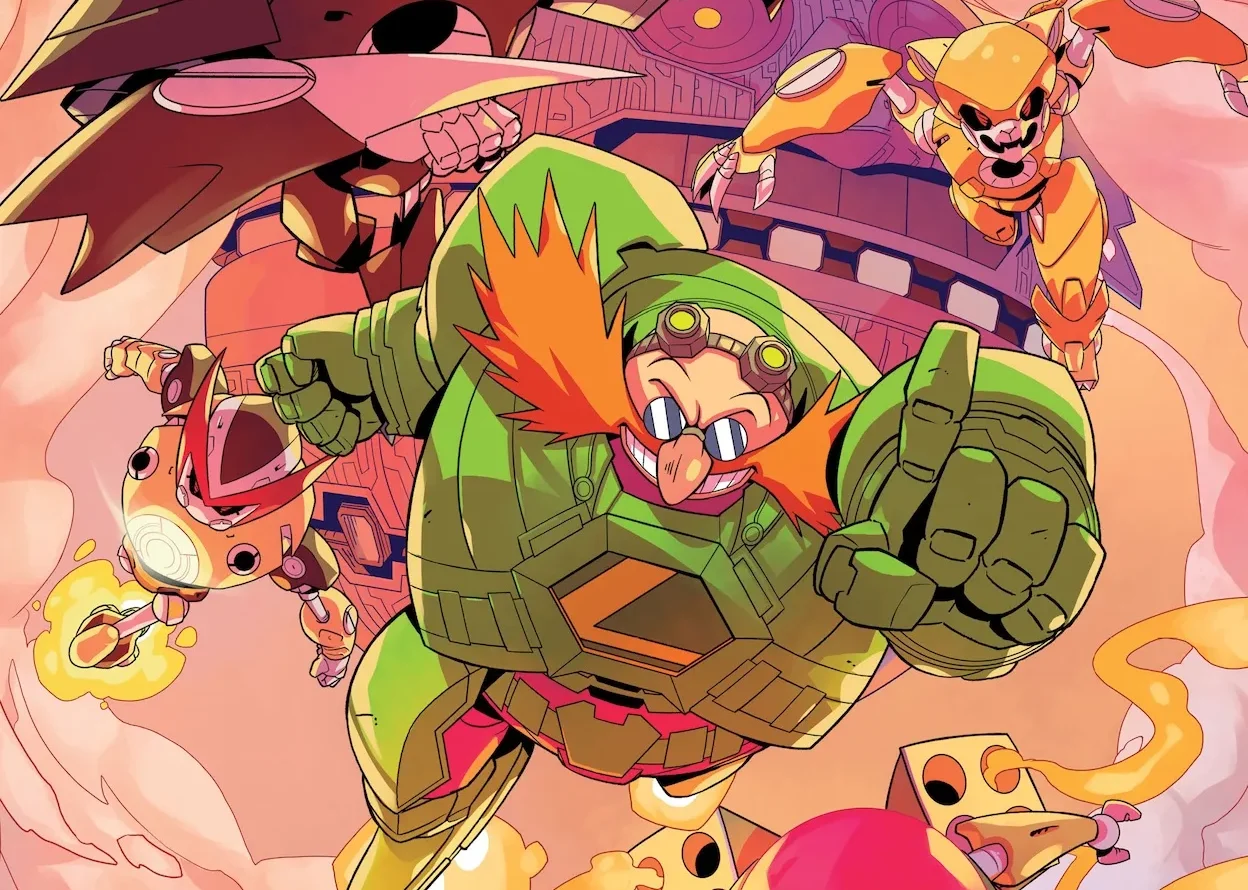
The best thing about this book is that it really isn’t about Sonic. The huge cast of characters from Sega are the ones who are truly in the spotlight, whether it’s Eggman leading the villains or all of the cool superhero/Sonic character duos. I first heard about this crossover from seeing the action figures of those duos in stores; I had no idea the source material would be so good.

DC
Issue #3 is different from the preceding issues in its hyper-focus on the villains. I’d like to keep this review as spoiler-free as possible, but the (inevitable) villain-on-villain betrayal happens here, and it really kicks the action into high gear. There’s a splash page here that is one of the best I’ve seen in a franchise crossover — Adam Bryce Thomas has a deep understanding of how these characters move and the best ways to portray them in action.
Ian Flynn has written Sonic for so long and across so many platforms that he’s earned the title of master storyteller. I don’t know how the endlessly passionate Sonic fandom feels about him, but I really can’t imagine a better story for this crossover. Like I mentioned before, some of these crossovers are aimless and never find their footing; in Metal Legion anything is possible, and it feels like the coming issues could continue that rise.
A crossover succeeds if neither franchise overwhelms the other. That line is walked in the artwork: it feels like the strongest art appears when the characters are in motion rather than standing, which favors our speedy little friends a bit, as the hero poses don’t quite hit the same. But there is magic in the way the playing field has been leveled so the Flash and Green Lantern can glide smoothly into the shared aesthetic despite both heroes having their own potent, unique visual feels.

DC
The biggest hurdle that this comic needed to best was the difference in tone between the two franchises. DC has, at times, had a capacity for great darkness. The Absolute Universe, Batman’s Gotham, and the cycle of death and rebirth that is present in DC are just a few examples of this capacity, while the darkest Sonic goes is Shadow with a gun. Instead of leaning into one or the other, Flynn finds a new place for these characters to exist in.
Despite all of this fun, there isn’t much emotional payoff in this book, and the plot only moves forward incrementally. And even with this issue’s focus on the villains, a few of the really cool Sonic characters feel underutilized. I think this story will read best as a trade book; this issue alone feels a little light.
The world of Sonic is so fun, so full of unique characters, and somehow, even in this day and age, a little bit underestimated. Sonic stopped being just “a blue hedgehog” years ago. What Sega has built is a mythology that, while not as expansive as DC’s, offers more than enough heart, personality, and history to stand beside it.




You must be logged in to post a comment.