


For some time teen teams were a major asset in superhero fiction. Starting with the original Teen Titans and the first class of X-Men, there was a long and persistent history of intensifying melodrama by making superheroes young and inexperienced (hell, even Spider-Man got his start in his teens).
From New Mutants and Generation X to Young Justice, teen teams were a commodity for decades, but in the last few decades they’ve dwindled to near non-existent. There have been attempts to revitalize the concept, like Runaways in 2003 and New X-Men in 2004, but those books never lasted long enough to reach the institution-like status of their predecessors (and were often left unresolved and unfinished). As of recently, the Titans are no longer teens, and while both the contemporary Uncanny and Exceptional X-Men books have central teen characters, these teens are playing second fiddle to their respective headmistresses.

Marvel
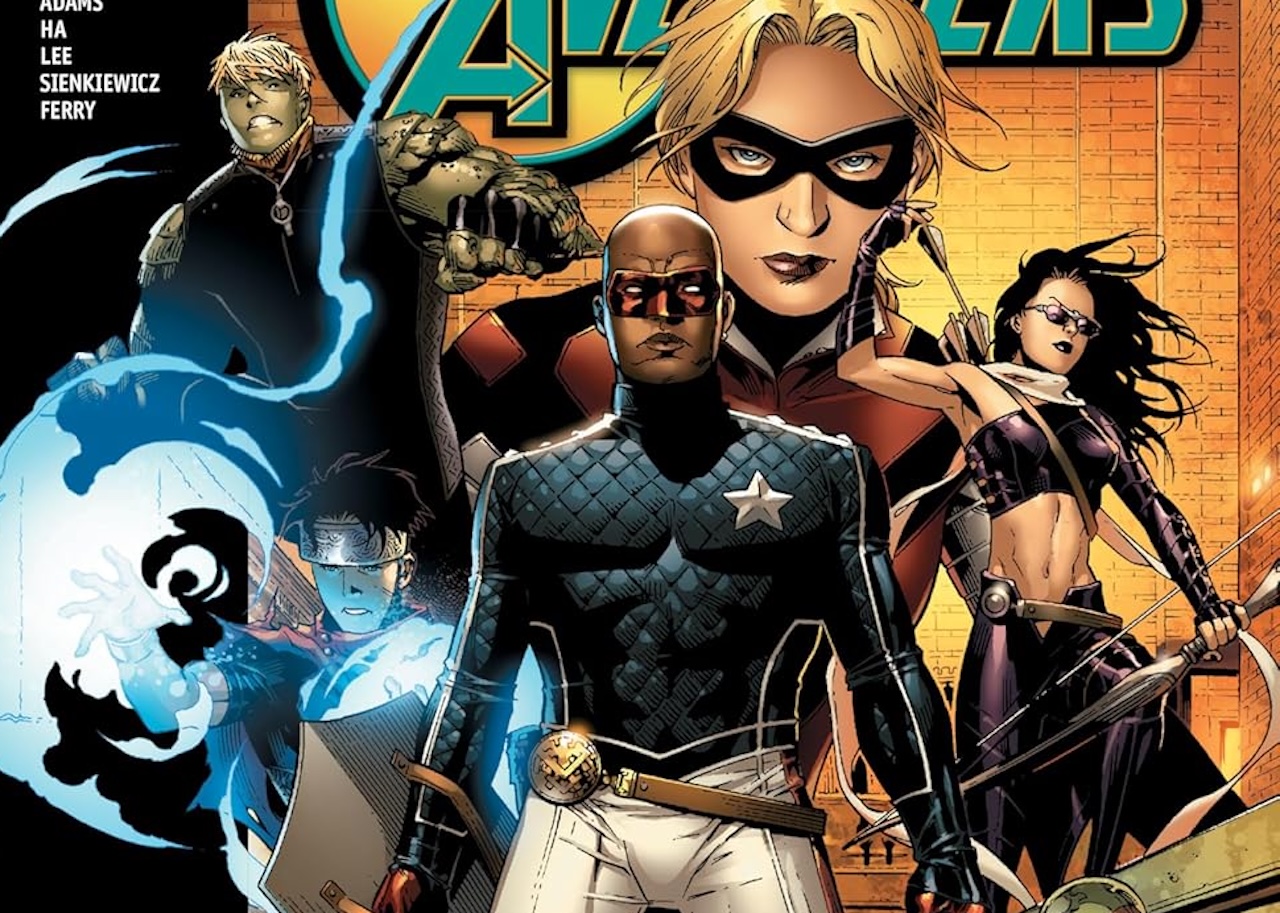
Though it was most likely meant to be a trial run for further adventures, Young Avengers might be seen as another aborted attempt to revive the formula. But after its quick, twelve-issue run in 2005 and 2006, the book might better be seen as a celebration of that teen team dynamic. This tightly paced and carefully orchestrated story epitomized what made teen books so compelling.
Taking place between the tragedies of Avengers: Disassembled and New Avengers, the Young Avengers took advantage of an Avengers-less world to tell a story that franchise had never tapped into – these were the first teenage Avengers (if you don’t count Rick Jones and his Teen Brigade); without the sidekick trappings of the Teen Titans or the built-in origins of any newly powered teenage mutant, it was a book that had to source its young heroes in a completely unique fashion. They went with one of the most Avengers origins possible.

Marvel
Where the original Avengers team joined forces to stop Loki, the teens formed to stop time-displaced Iron Lad’s future self: Kang the Conqueror. It’s a fantastic echo of the original team, as are the Young Avengers members: we’ve got a super soldier and (seemingly) a Hulk, a Hawkeye and a Giant Man. This might feel, at first blush, to be reductive (especially in a world without several of the template characters – including Thor). Thankfully Young Avengers does what the best teen books do: it makes each character fiercely individualistic.

Marvel
Where the original Avengers had their solo books to cram pathos into, seven teenagers-worth of melodrama and hormones had to fit into just 12 issues; writer Allan Heinberg manages to give each character a nice twist of identity and underlying purpose. Each member has a reason for being here, a drive to heroism, and a lot of self-conscious angst.
The indelible artwork of Jim Cheung does a lot of work, here, creating bold character designs and expressive action sequences; a less stylistic choice might not have overly hindered the debut of the series, but it certainly wouldn’t have felt so singular among its peers. When you picture this team, you picture them as Cheung drew them.
For such a brief tenure, the first volume of Young Avengers feels jam-packed but rarely misses a beat. With two major story arcs (Kang; Kree/Skrull relations), the book feels like the opening volley of what could have been a lasting career. Sadly, the team would only get a handful more appearances before being replaced. Only a few of the characters remain in the spotlight today, though that’s certain to change as the MCU rolls its spotlight toward them.
Young Avengers Modern Era Epic Collection: Not What You Think wraps up that initial 12 issues in one bundle – a later volume will collect the handful of team-ups and miniseries that followed. It’s and indispensable collection for a book that feels like a concentration of what makes teen books sing.




You must be logged in to post a comment.