

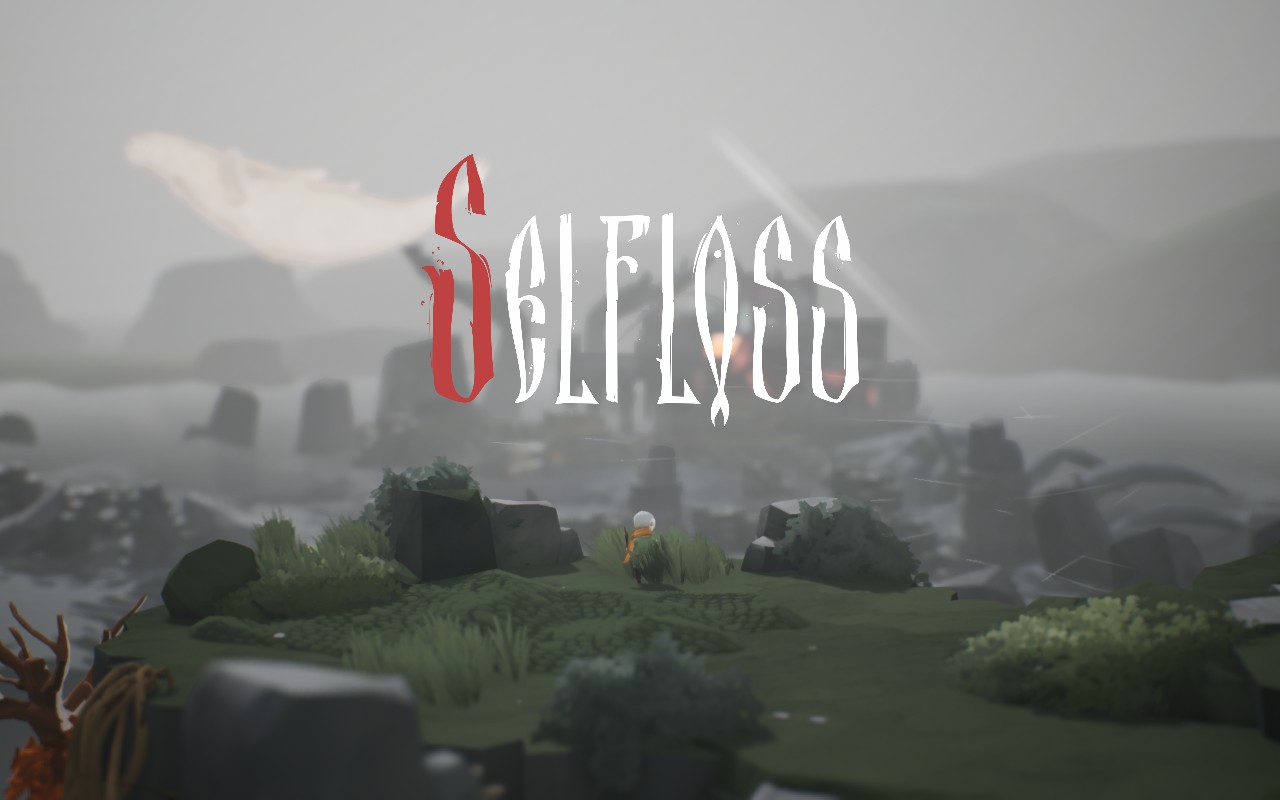

Video games can often prove a beneficial distraction for people working through complex emotions, and can explore those emotions tremendously well too. Journeys of grief and sadness are portrayed extremely well in games like Gris, Spiritfarer, and so many more. From developer Goodwin Games, Selfloss is a new indie game in a similar vein to the above titles; it marries beautiful visuals and a haunting score with themes of grief and depression in a stunning 8 to 10 hour journey of healing.
You’ll play as Kazimir, an older man who begins the game in the afterlife called Leeway. He is granted a chance to rejoin the land of the living once more and must help a mysterious creature in return. Upon his arrival back in the material plane, Selfloss makes it clear dying was Kazimir’s choice – instantly telling you this game isn’t for the faint of heart.

Kazimir will travel across the lands, through swampy and snowy environments, over the course of the game’s five chapters. His main goal in each chapter is to deliver selfloss to a grieving person, a sort of spiritual healing. It’s a somber affair as, after healing someone else’s pain, like a mermaid mourning her lost lover, you’ll remember that Kazimir is still deeply wounded and awaiting his own healing. You don’t know why he took his own life, not yet, but you will get to learn more about him through harrowing flashbacks.

These sequences between chapters bring Kazimir to life and make him more than just the slow, white-haired polygons on your screen. They also bring more depth to the history of Selfloss’ world, which is a Slavic-inspired, whale-worshiping land. Giants and Elfurs and mermaids and whales populate its levels. However, Kazimir doesn’t interact with too many other people on his travels, making you ponder just how devastated this land is.
Collectible scrolls also bring depth to the world. There are 20 in total that tell the history of this land and its people, its gods and its ideals. Beautiful tarot-like artwork accompanies each text entry, and they’re interesting enough that you’ll want to read them all and replay the game to gather any missed scrolls.

Selfloss is told from an isometric point of view with an art style that feels right at home with the other indie games it’ll sit next to on virtual shelves. It’s dour and moody and dark, awash with muted colors, and it feels so right. There are some truly beautiful shots in Selfloss, especially when delivering the titular ritual, that’ll make you delight in taking screenshot after screenshot. The music complements the visuals well, creating a somber atmosphere for Kazimir’s lonely journey.
Gameplay is the only area Selfloss stumbles, but its shortcomings don’t capsize the experience. Using his staff’s magical light, Kazimir will engage in combat with enemies made of miasma, a mysterious and harmful substance wounding the world. Purple and pink blots of miasma will amble at Kazimir, and you’ll have to engage them in twin-stick shooter-like combat to fend them off. Sometimes these sequences were fun, but they’re no different in the beginning of chapter one and the end of chapter five, creating a tedious experience. I did enjoy Selfloss’ puzzles, however; they offered the right mix of ease and challenge. I would have loved to have conquered more puzzles and less enemies.

The controls don’t do the gameplay any favors. Movement is slow and laborious, and not having any control over the camera can often lead to slight depth perception issues, causing Kazimir to stumble off a path or fall to his death. Attacks with Kazimir’s sickle may not register on their target, and aiming with the staff can prove frustrating as the twin-stick gameplay isn’t very well refined. Kazimir’s boat is the most egregious element, however; controlling it can be a pain, and the boat being so involved during the game’s final boss is a development choice I wish were reversed.
While that gameplay does get in the way of enjoyment at times, it’s not enough to detract from the whole. When I think of Selfloss, I’ll think of its excellent storytelling and world. It reminds me of some of my favorite recent indie games, like The Last Campfire, with its themes of grief and puzzle-based gameplay. I greatly enjoyed being a part of Kazimir’s journey, and I’ll be thinking of its ending for a while.



You must be logged in to post a comment.